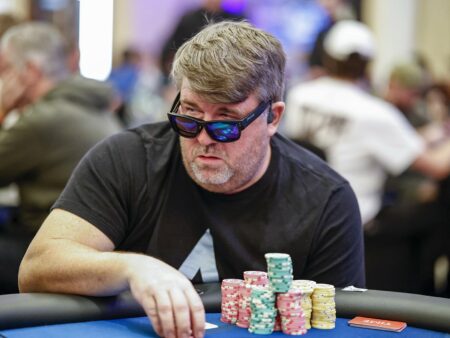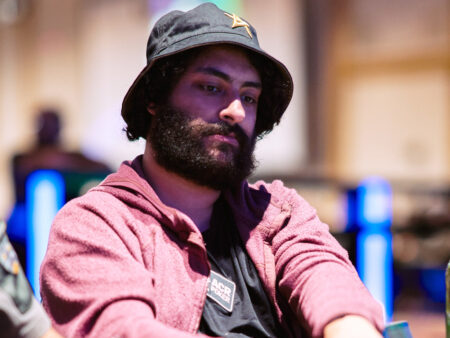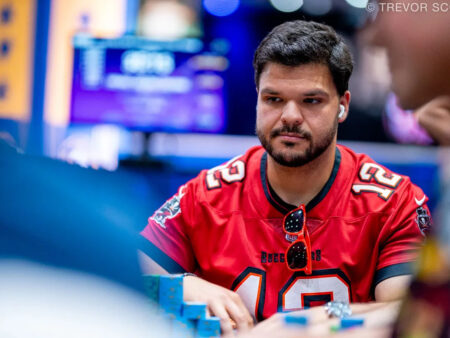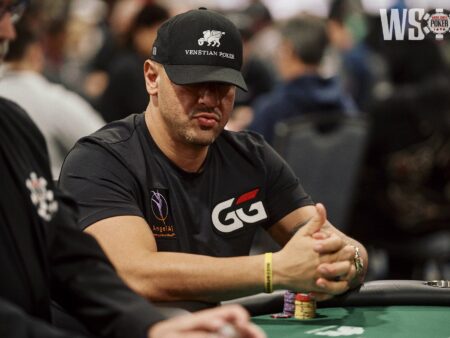
The World Series of Poker (WSOP) has not even fully hit stride, yet one of the summer’s biggest controversies is already here. WSOP’s updated rules surrounding patches, promotional apparel, and third-party branding have triggered backlash from players, creators, and sponsored pros who see the new language as a far more aggressive attempt to control what can be worn, shown, and promoted inside the series.
Among the first and loudest voices was Patrick Leonard, who revealed on X that he had been denied permission to wear a CoinPoker patch. Leonard said the decision could leave players vulnerable to disqualification at a tournament director’s discretion, instantly turning a niche policy update into one of the most discussed stories in poker this week.
What changed in the WSOP rules
At the center of the debate is Section 52 of the WSOP rulebook, which now requires participants to obtain approval at least 24 hours in advance before wearing any apparel with promotional content on featured tables. Poker.org reported that the rule also gives WSOP and host properties broad authority to reject branding they consider inappropriate, harmful to their business interests, or otherwise unsuitable for the event environment.
That is a meaningful shift because this is no longer just an unwritten preference about what looks good on camera. It is a formalized approval system with enforcement power, and that alone changes the relationship between players and the brands that financially support them during the summer grind.


Leonard becomes the face of the early pushback
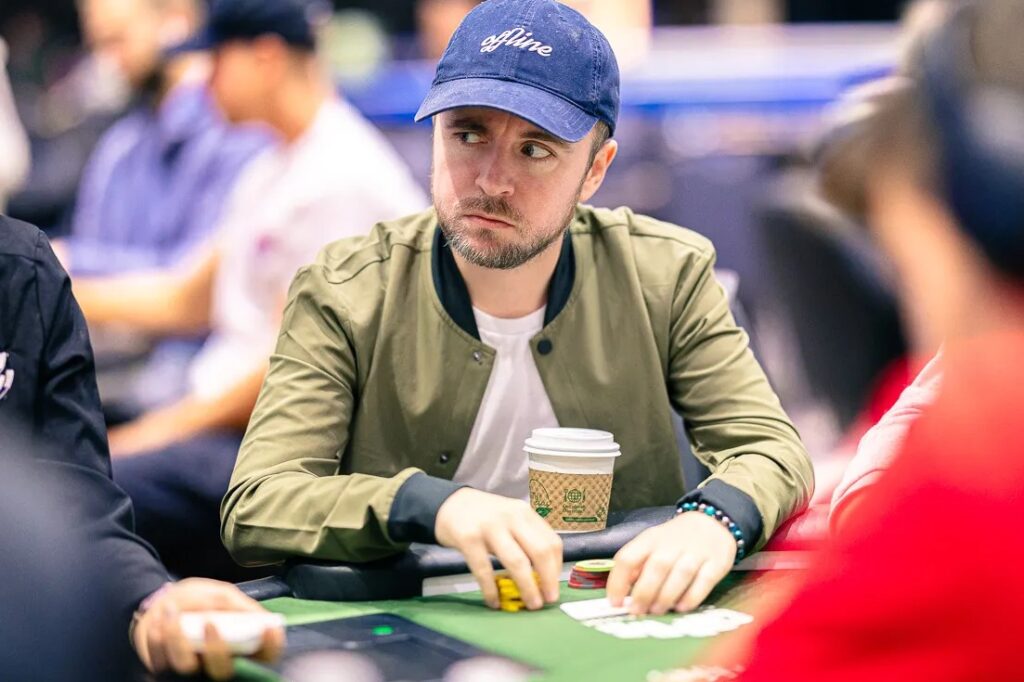
Leonard’s post landed quickly and hard because it turned abstract policy language into a concrete player example. In his tweet, he wrote that he had “currently been denied to wear a patch,” while adding that he believed the ruling could lead to disqualification depending on the tournament staff’s discretion.
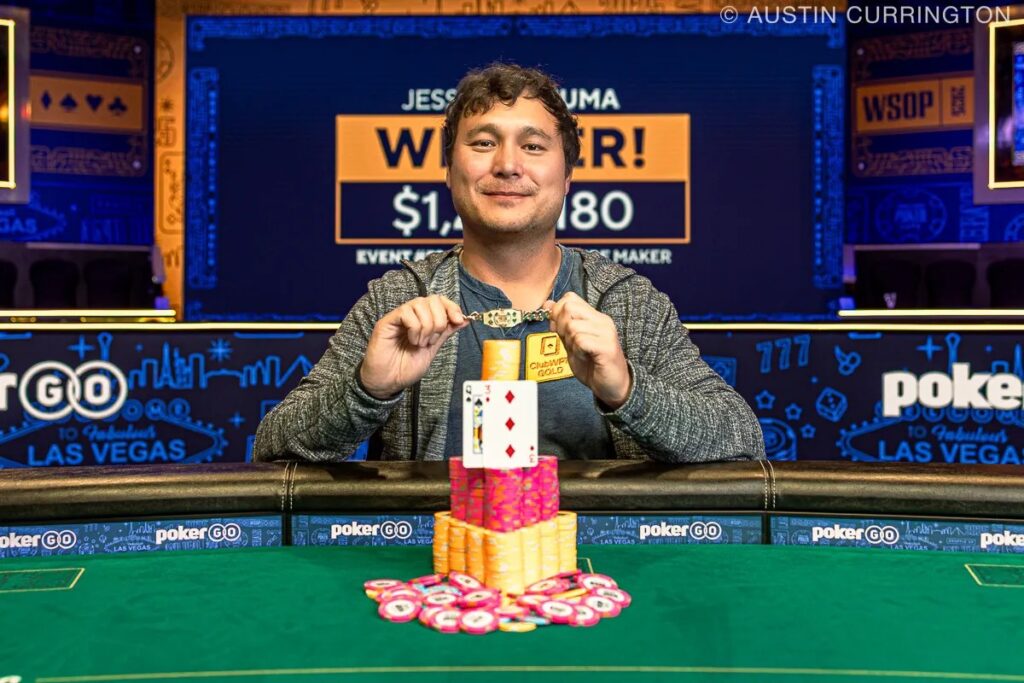
That immediately raised the obvious follow-up questions. Which brands are being approved, which are being denied, and what standards are actually being used behind the scenes? Poker.org reported that ACR and BetMGM were approved, while CoinPoker, Phenom Poker, and ClubWPT Gold were among the brands reportedly denied, though the exact enforcement boundaries remain murky.
The fight may be bigger than patches
The reason this story escalated so quickly is that many in poker do not think this is only about patches. Joey Ingram argued on X that the rule language reads as something potentially broader: a bid to control branded and monetized poker content created inside the WSOP and then distributed across YouTube, Instagram, X, livestreams, and other channels.
Ingram wrote that sponsors read, affiliate links, logo overlays, and other branded promotional elements may no longer be treated as ordinary creator content if they promote a gaming brand that WSOP does not approve. If that reading proves accurate in practice, the issue moves well beyond whether a player can wear a patch and into the economics of poker media itself.
Why WSOP is taking a harder line
WSOP’s tougher stance appears tied in part to its growing effort to control the visual and commercial environment around the series, particularly after recent controversies involving outside brands and event-adjacent promotion.
From WSOP’s perspective, the logic is easy to understand. It is natural in many ways for host properties to retain final say over what appears on the gaming floor, especially on featured or streamed tables. The WSOP is a premium media property; it has official partners to protect, and it does not want competitors or unapproved operators using the WSOP stage as free advertising inventory. From the players’ side, though, the policy feels like a direct hit to sponsorship value at the exact moment many pros rely on outside backing to make a summer in Las Vegas financially viable.

The bot-view sidebar adds a weird twist
Leonard’s tweet also produced a more lighthearted sidebar when poker observers noticed the unusually high view count attached to the post. That led to chatter that the visibility may have been at least partly bot-driven rather than purely organic, a familiar kind of X discourse where engagement numbers can become their own mini-story alongside the actual issue.
Still, it added a humorous second layer to the controversy, with the poker community debating not only the patch denial itself but also whether the tweet’s reach reflected genuine poker interest, platform amplification, or something more artificial. As likely as it seems, that remains speculation and social-media banter rather than a documented fact.
A gray area poker will keep testing
What makes this story especially important is that the WSOP language leaves room for interpretation, which means enforcement will be closely watched as the summer deepens. If one operator is approved and another is not, or if one creator’s content is tolerated while another’s is flagged, the rule’s consistency will become just as controversial as the rule itself.
Poker has long treated patches and sponsorship deals as part of the ecosystem, not some fringe side business. PokerNews has previously highlighted how unusual and wide-ranging WSOP rules can be, and this latest update shows that branding control is now becoming one of the most consequential policy battlegrounds in live poker.
The bigger business question
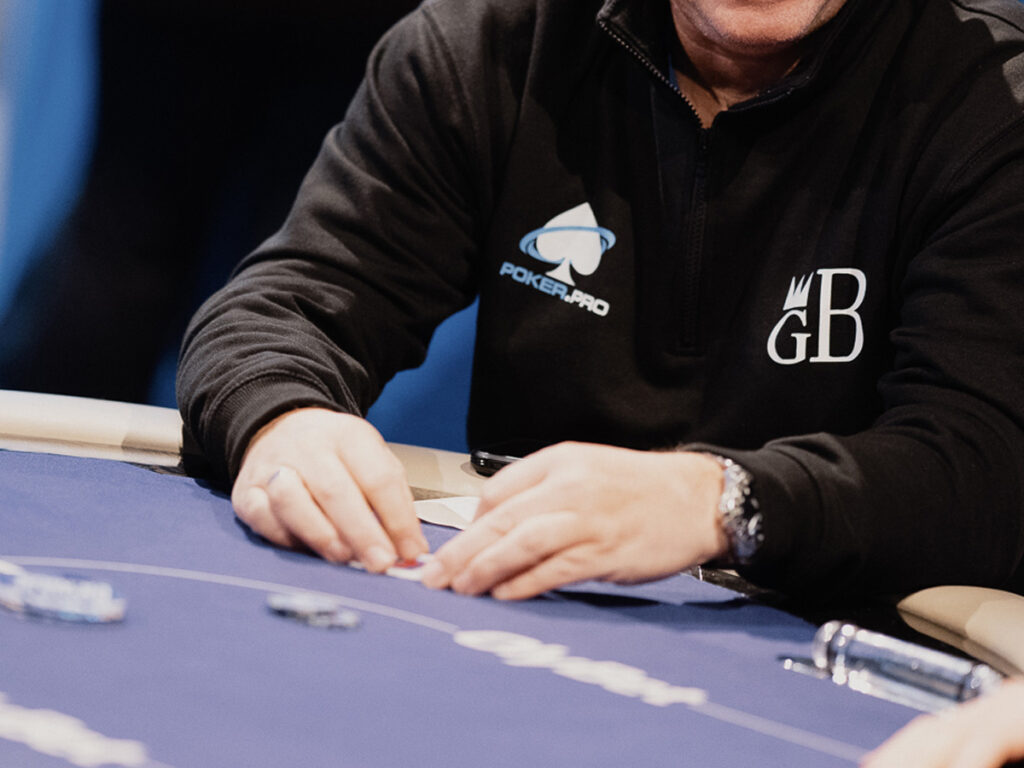
The real issue here is not whether one logo appears on one hoodie. It is whether poker’s flagship live series is redrawing the line between player autonomy and house-controlled commercial rights, particularly in an era where players are not just competitors but also creators, ambassadors, and media channels in their own right.
That is why Leonard’s complaint resonated so quickly. It put a face to a much broader tension inside the modern poker economy, where every patch, post, stream clip, and sponsor mention carries value, and where WSOP now seems determined to decide more directly who gets to capture that value on its floor.