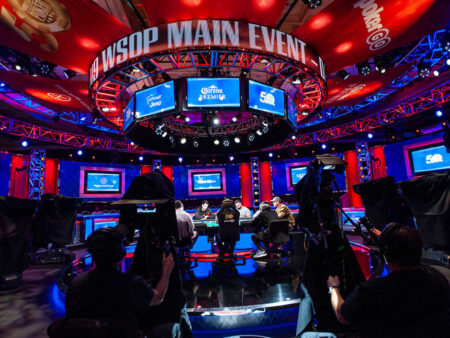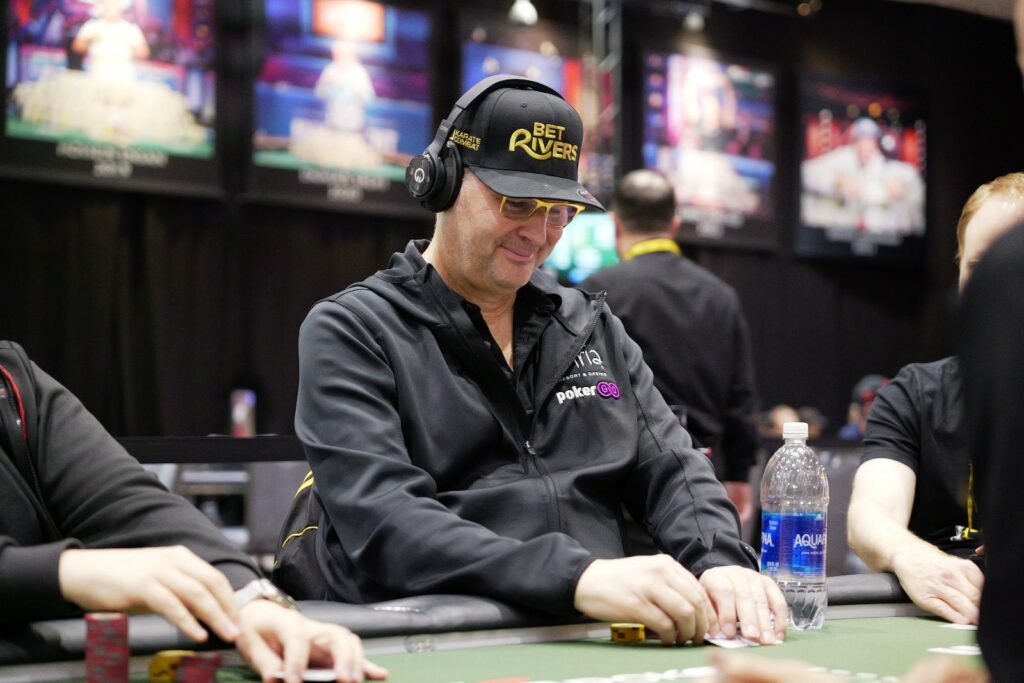
Live poker has always been noisy between the chatter, the clink of chips, and the rattle of players, dealers, and railbirds. The rattle on social media has a new beat with a debate over whether headphones should be allowed at the table. With the Poker TDA Summit looming on June 29-30 at the PokerGO Studio and respected TDs and writers publicly weighing in, this is no longer social-media theater; it’s a rules discussion that could change how we play the game. I don’t think poker needs a blanket ban. But I do think we owe it to the integrity of live tournaments to be precise about where and why headphones are limited.
Why this debate matters now
The timing is not accidental. Tournament directors are already paying closer attention to electronic assistance, coaching concerns, and the broader role that devices can play at the table. Savage has publicly confirmed that banning headphones will be discussed at the upcoming Poker TDA Summit, which means this issue has already moved from online chatter into the realm of formal policy.
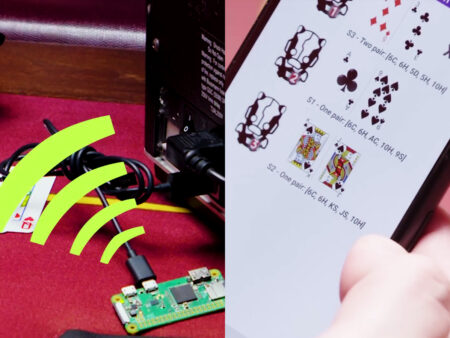
That concern is understandable. Savage is exploring a ban because of rapidly advancing technology and the possibility that AI-enhanced devices could create new integrity risks in live poker. Even if the game is not yet facing a widespread headphone scandal, tournament poker has every reason to get ahead of a threat rather than wait for one.


Why a total ban goes too far
At the same time, a total ban still feels like an overcorrection. Most players who wear headphones are not using them to gain an edge. They are using them to focus, manage long sessions, and shut out the noise that naturally comes with live poker.
That pushback is not hard to understand. Jason Wheeler, a widely respected pro and WSOP bracelet winner, argued that headphones seem like a low-priority issue and noted that many players rely on music to stay calm for hours. That is not a frivolous point. In long tournaments, the difference between a player feeling comfortable and feeling drained can shape the entire live experience.
The voices driving the conversation
Savage is the most important figure in this discussion because he is not merely commenting from the sidelines. As the founder of the Poker TDA and one of the game’s most influential tournament directors, he is helping determine whether this debate turns into an actual rule proposal. PokerOrg has also been a major forum for the issue, and Sarah Herring’s presence there helps ensure these broader industry conversations reach a wide and engaged poker audience.
Bob Mather’s public response brought needed skepticism to the question of how any rule would actually work. By raising the question of what a ban would mean for corded headphones, he highlighted the enforcement challenges that come with any sweeping restriction. In poker, that matters. A rule that sounds neat online can become much messier once it lands on a tournament floor.
There are also respected players who reinforce the case for taking the issue seriously. Jason Koon is not just one of the most accomplished players in the world, but also one of the most credible voices on modern poker integrity and the future of high-level competition. Even without tying him to a specific headphone quote here, invoking his perspective works because players of his stature understand better than most how fast the game and its technology are evolving.
The better answer for the TDA
The smartest solution is not to ignore the issue, but it is also not to ban headphones outright. Poker probably does need tighter restrictions in some settings, especially at feature tables, streamed events, and the late stages of major tournaments, where integrity concerns are at their highest. This isn’t unheard of, as many large tours already restrict some electronics in sensitive settings, and players are used to being hands-free from devices and headphones in most televised poker scenarios.
That is the middle ground poker should pursue. Restrict headphones where the risks are highest, and the need for visibility is greatest, but do not treat every player wearing earbuds in an early stage as a potential problem. That approach protects the game without making live poker unnecessarily rigid.

What should happen next?
The TDA has recognized in the past how poker needs to move with the times to both protect integrity and improve player experiences. Some changes will be needed, as technology is changing too quickly for poker to remain passive forever. But a total ban could go too far, punishing ordinary players for a risk that is real enough to monitor, yet not broad enough to justify a universal crackdown.
Poker should protect integrity while preserving the comfort and rhythm of the live game. That means listening to Savage’s warning, while also respecting the practical objections raised by players like Jason Wheeler and others. The best outcome from the next TDA Summit would be a narrower, clearer rule that targets real risk without overreaching.