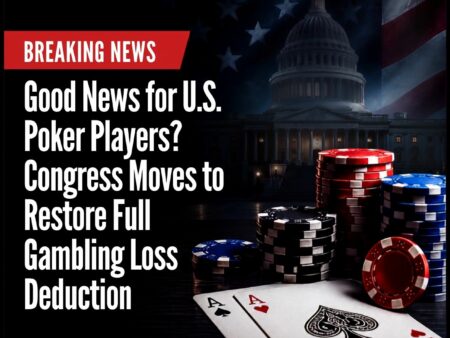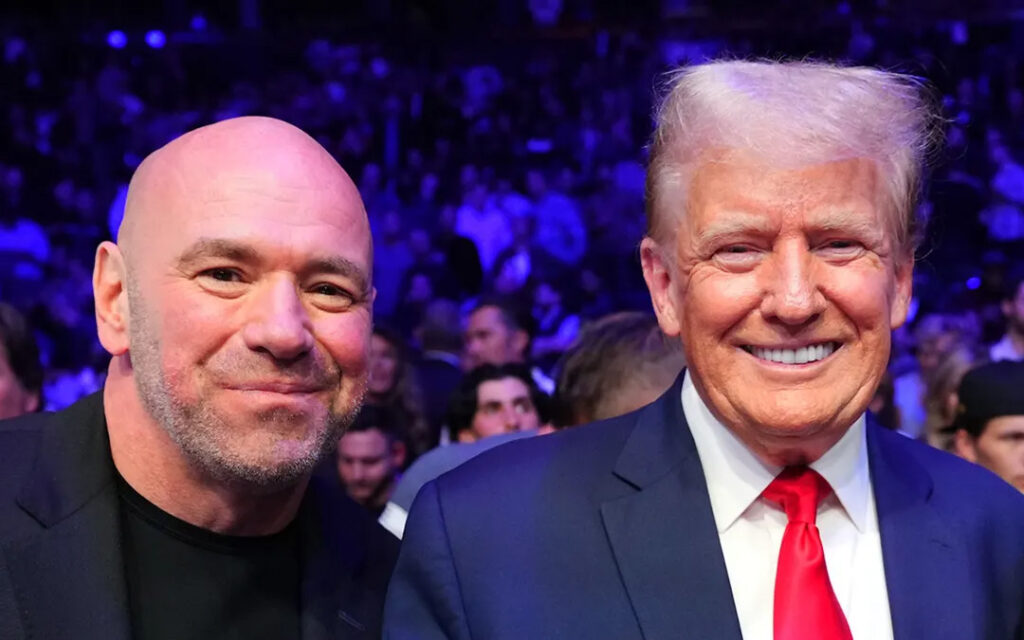
UFC president Dana White recently sent a letter to President Donald Trump urging him to reverse a controversial provision in Trump’s own “One Big Beautiful Bill Act” (OBBBA): a 90% cap on gambling loss deductions that went into effect January 1, 2026.
The letter, dated May 11 and obtained by gambling journalist Dustin Gouker, who first broke the news on X, has now become a major storyline in poker tax news, U.S. poker regulation, and gambling tax reform discussions.
While White framed the issue around sports betting and the broader gaming industry, this tax change hits poker players just as hard, especially serious, high-stakes, and professional grinders.
The tax rule is now a key topic with direct consequences for online poker, live poker rooms, and professional poker players across the United States.
What the New Tax Rule Actually Means for Poker Players
Under the old federal tax rules:
- If you won $5,000 in poker and lost $5,000, your net was zero, and you owed no tax on poker winnings.
Under the new OBBBA rule:
- You can only deduct 90% of your losses against winnings.
- That same $5,000 win / $5,000 loss scenario now leaves you with $500 of taxable winnings, even though you broke even.
- The undeducted 10% doesn’t carry over; it simply disappears, creating a tax bill on money you never actually kept.
White summed it up bluntly in his letter:
“The current law makes it irrational to bet in the United States because you could end up owing taxes even when you lose, or having a tax bill that exceeds your winnings for the year”.
For poker players, that means:
- Break-even players can end up with a tax bill.
- Slightly winning players may see their edge wiped out by an unexpected tax liability.
- Professional poker players who treat the game as a business face distorted profit-and-loss calculations and potentially higher effective tax rates.
This new gambling loss deduction cap is one of the most impactful recent changes in U.S. poker taxation and online poker regulation since the rise of regulated online poker markets.

Why This Matters More for Poker Than Other Gambling
Poker is different from slots, roulette, or even sports betting in key ways:
White explicitly warned that the law pushes players toward illegal platforms and discourages use of regulated sites, which would hurt legal poker rooms and online operators just as much as sportsbooks.
For online poker players in regulated U.S. markets, this means:
- Lower effective liquidity if players move offshore.
- Higher tax drag on session results.
- More pressure on poker room profitability and bonus structures.
The Political Push: White, Cruz, Cortez Masto, and Prediction Markets
White’s letter isn’t just a complaint; it’s already moving markets:
- After Dustin Gouker first reported the letter on X, Kalshi prediction market odds that the cap would be repealed this year jumped from 20% to 37%, then settled around 29%.
- Senator Catherine Cortez Masto (D-Nev.) is working with Senator Ted Cruz (R-Texas) on a bill to eliminate the provision.
- White praised Trump’s overall tax law but called this specific provision “already creating problems” for the gambling industry and bettors.
For poker, Nevada’s involvement is critical. Nevada is a major hub for live poker rooms, high-stakes cash games, and poker tournaments. Any tax change that discourages gambling in the state directly impacts the poker ecosystem.
This legislative push is now part of the broader conversation around poker advocacy, gambling tax reform, and U.S. sports betting and poker regulation.

What This Means for poker.pro Readers
If you play poker in the U.S., live, online, or both, this tax provision is not a distant policy issue. It’s already affecting:
- Your effective win rate: The 10% undeducted loss is a hidden rake-like tax on every session.
- Your tax filing: You’ll need to track wins and losses meticulously and understand how the 90% cap changes your taxable income.
- Your choice of games and platforms: If the law pushes players to unregulated markets, liquidity and safety could shift across the poker landscape.
White’s fight to reverse the 90% cap is poker’s fight too. When the UFC’s president says a gambling tax rule is “irrational,” that’s a message that resonates at the poker table just as much as in the octagon.
What Poker Players Should Do Now
While lawmakers debate the 90% cap, poker players can take concrete steps to protect their bankrolls and tax positions:
1. Track every session meticulously
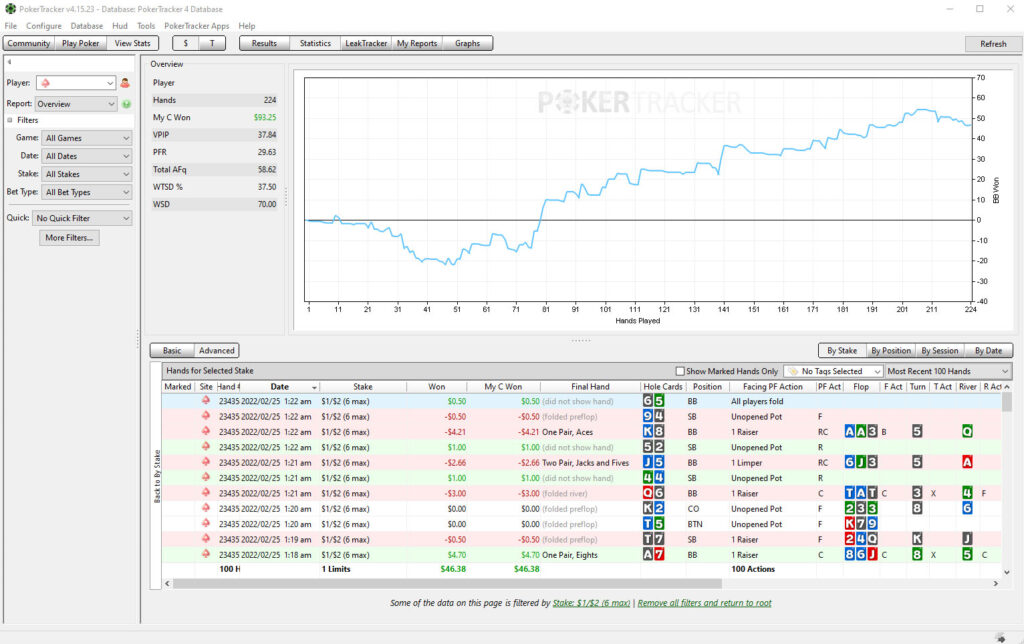
- Record date, location, game type, stakes, starting/ending bankroll, wins/losses, and buy-ins/cash-outs.
- Keep receipts, HUD reports, online hand history exports, and casino win/loss statements as supporting documentation.
Good session tracking is essential for poker tax compliance, professional poker player status, and accurate poker bankroll management.
2. Adjust your expected win rate
- Treat the 10% non-deductible loss as a permanent cost, similar to an extra rake or fee.
- Recalculate your ROI and win rate assuming you can only deduct 90% of losses over the long term.
This adjustment matters for:
- Online poker ROI calculations
- Live tournament strategy
- Cash game stake selection
3. Talk to a tax professional familiar with poker
- A CPA or tax attorney who understands professional poker players, session-level tracking, and gambling tax rules can help you:
- Optimize how you report income and losses.
- Determine whether you qualify for professional gambler status.
- Structure your poker income and expenses to be as tax-efficient as possible under the new rules.
This is especially important for:
- High-stakes poker players
- Semi-pro and full-time grinders
- Players with mixed income sources (poker + other business)
4. Reevaluate bankroll management
- With a portion of losses permanently non-deductible, you effectively have less tax-shielded variance protection.
- Consider slightly lowering your stakes or increasing your bankroll buffer to account for the added tax drag on downswings.
Smart poker bankroll management now includes:
- A buffer for the 10% non-deductible loss.
- Adjusted buy-in requirements for tournaments.
- More conservative stake upgrades.
- Read more: Mastering Variance in Poker: The Pro’s Playbook for Surviving and Thriving Through the Swings
5. Stay informed on legislative developments
- Follow updates from poker organizations, industry groups, and news outlets like poker.pro about the Cortez Masto–Cruz bill and any White House action.
- If the cap is repealed or modified, you may be able to adjust your tax strategy mid-year or for future filings.
Dustin Gouker’s initial reporting on White’s letter helped spark the surge in the prediction market and broader industry attention. White’s letter has already moved the needle on repeal odds. While that fight plays out, smart poker players treat the 90% cap as a new reality of the game, adjusting their math, records, and bankroll discipline accordingly.
Key Takeaways: Dana White, Gambling Tax, and Poker
- The 90% gambling loss deduction cap went into effect January 1, 2026, under the One Big Beautiful Bill Act (OBBBA).
- Dana White urged President Donald Trump to reverse the provision, calling it “irrational” for gamblers and the gaming industry.
- Gambling journalist Dustin Gouker (creator of The Closing Line newsletter) first reported the letter on X, breaking the news to the industry.
- Poker players face:
- Tax bills even when breaking even.
- Higher effective tax rates on small edges.
- Long-term bankroll erosion from the 10% non-deductible loss.
- Senator Cortez Masto and Senator Cruz are working on legislation to repeal the cap; prediction market odds of repeal rose after White’s letter.
- Poker players should:
- Track sessions meticulously.
- Adjust win rates and bankroll management.
- Work with a poker-savvy tax professional.