





At the 2026 World Series of Poker Main Event, a former professional ice hockey player made the final table of a 9,208-entry field. Canada’s Greg Mueller, who spent his playing career as a defenseman in Germany’s top hockey leagues, finished third for $3,750,000. In February 2026, NFL Hall of Famer Richard Seymour beat a field of more than 200 players to win a WSOP Circuit High Roller ring at Harrah’s Cherokee. And on the high roller circuit, Austria’s Mario Mosböck, who walked away from professional football at 21, has won four Triton titles.
Stories like these feed one of poker’s most common ideas: that elite athletes have a head start. They know pressure, they know how to compete, and they know how to keep their nerve when everything is on the line. So do elite athletes really make better poker players? We dug through the research on expertise, pressure, emotion, and decision-making, along with the records of the best-known athletes in the game, to find out.
- Read more: The Psychology of Loss, Risk, and Ego: Mind Traps in Tournament Poker
- Read more: Patrik Antonius Enters the Hall
- Read more: Game, Set, Match: How Tennis Made me a Better Poker Player
- Read more: Join Poker Pro on Telegram for Breaking Tournament News and Results







Key Takeaways
- Elite sport does not automatically make you good at poker. Research shows expertise rarely transfers between fields, so athletes have to learn the game from scratch.
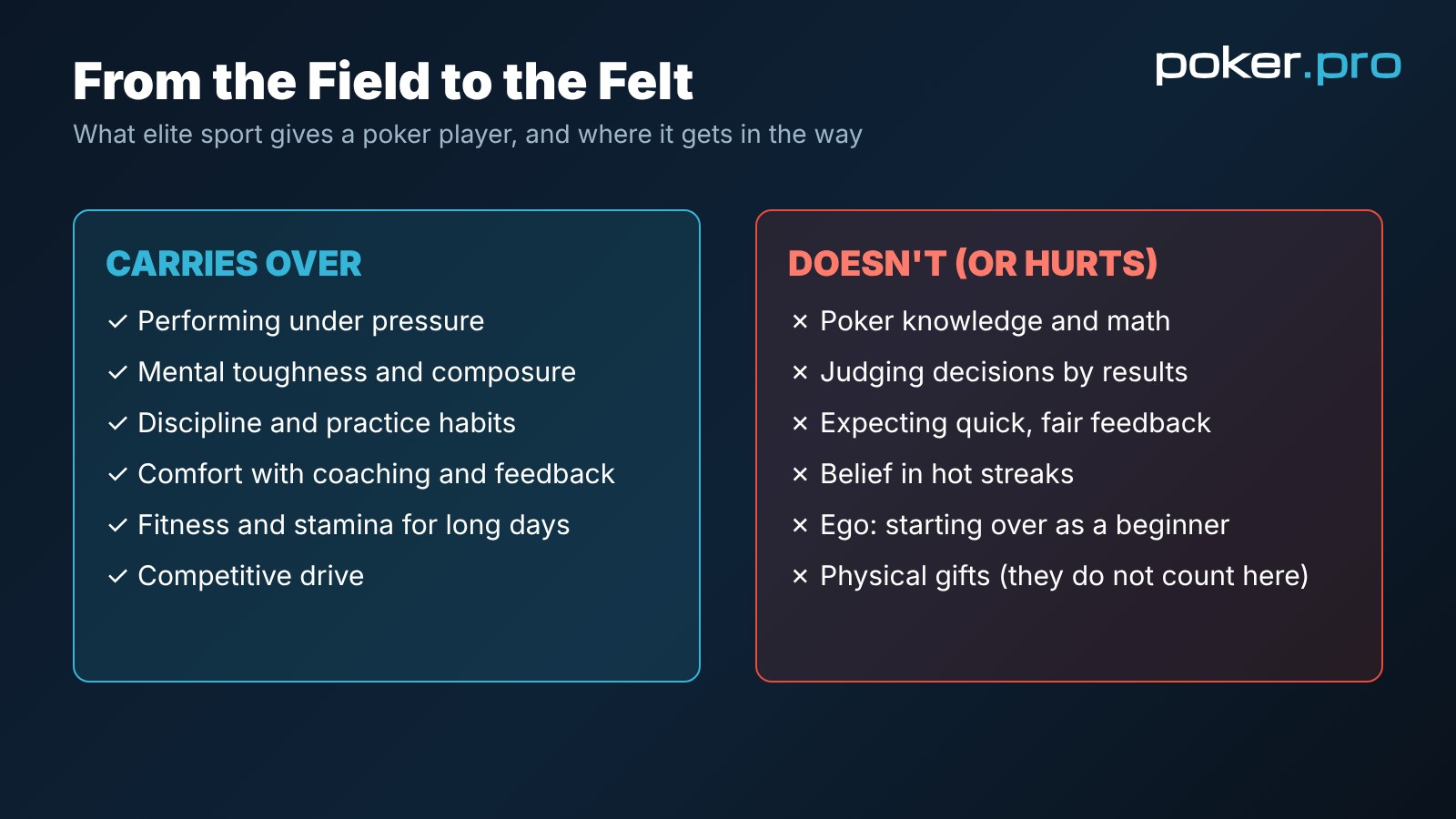
- The mental skills do carry over. Pressure training, composure, mental toughness, disciplined practice and stamina are real advantages at the table.
- Some sporting habits hurt. Judging decisions by results, expecting quick and fair feedback, and trusting hot streaks all lead to tilt and bad decisions.
- A few athletes have reached the top. Patrik Antonius, Greg Mueller and former footballer Mario Mosböck became elite pros, and Max Kruse won a WSOP Europe bracelet while still playing in the Bundesliga.
- Sporting status does not predict poker results. Mosböck played just 18 first-team games before turning to poker, while former tennis world No. 1 Yevgeny Kafelnikov has under $200,000 in recorded live earnings.
- Anyone can borrow the toolkit. Sports psychology techniques like pressure training, routines and judging decisions over results help every player.
In this guide: The Short Answer | What Poker Tests | The Transfer Problem | What Athletes Bring | Where Sport Hurts | Athletes at the Table | Problem Gambling | Using Sports Psychology | The Verdict | FAQ
The Short Answer
Elite sport does not automatically make anyone good at poker. The technical side of the game, from hand ranges and pot odds to reading bet sizes, has to be learned from scratch, and decades of research show that expertise in one field rarely carries over to another. What sport can give a player is a mental toolkit: the ability to perform under pressure, to stay composed after a setback, to practice with discipline and to keep competing for 12 hours a day.
The catch is that some of the habits that make athletes great actually work against them at the poker table. Sport rewards results, delivers fast and mostly fair feedback, and celebrates the player who rides a hot streak. Poker punishes all three. The athletes who have succeeded at poker's highest levels are the ones who kept the mental strengths and unlearned the rest.
What This Means for Your Game
- You don't need a sporting background to have an athlete's mindset. The mental skills in this guide can be trained by anyone.
- Judge your decisions, not your results. A good decision that loses is still a good decision, and a bad one that wins is still a leak.
- Train for pressure and plan for tilt. Know what sets you off and decide how you will respond before you sit down.
- Respect the learning curve. Being good at something else buys you nothing at the table. Jump to the full toolkit.
What Poker Actually Tests
Before asking whether athletes have an edge, it helps to be clear about what kind of game poker is. Economists Steven Levitt and Thomas Miles studied results from the 2010 World Series of Poker and found that players they had identified in advance as highly skilled earned an average return on investment of more than 30%, while everyone else lost around 15%. Their conclusion was that poker is a game of skill, which is exactly why a head start in any area could matter. For more on what that means in practice, see our guide to whether poker is considered gambling.
A second study draws a direct line to sport. Rachel Croson, Peter Fishman and Devin Pope compared high-stakes poker tournaments with PGA Tour golf events and found that past success predicted future finishes in both, with the skill effects among top poker players similar to those among top golfers. The same study is a reminder of how loud the luck is, though. Past performance explained only a tiny share of any single result in either game.
That combination is what makes poker so unusual for an athlete. It is a skill game where the skill only shows up over thousands of hands, while any single session can go badly for the best player in the room. Most sports do not work that way, and that difference is at the heart of everything that follows.
The Transfer Problem: Why Being Elite in Sport Doesn't Make You Elite at Poker
Psychologists have spent decades asking whether getting very good at one thing makes you better at others. The answer is mostly no. In a 2017 review, Giovanni Sala and Fernand Gobet looked at chess, music, and working memory training, three areas often claimed to boost general thinking skills, and found that any apparent benefits shrank or disappeared in the best-designed studies. Expertise, they argued, is built on knowledge that is highly specific to its field and is "hardly transferable to other fields."
Studies on athletes point the same way. A meta-analysis led by Michelle Voss found that elite athletes do outperform non-elite athletes on lab tests of thinking skills, but the effects are small to medium, with the biggest gaps in processing speed and among athletes from fast interceptive sports like tennis and hockey. A 2016 German study found elite athletes beat recreational ones on sustained attention, but not on processing speed or mental rotation.
In other words, an athlete's brain is a little sharper in some areas, but nothing like the gap between a world-class athlete and an amateur on the field. A Super Bowl champion sits down at a poker table with the same knowledge of hand ranges as any other beginner. Whatever advantage they have has to come from somewhere else.
What Athletes Bring to the Table
Performing Under Pressure
Choking is one of the most studied subjects in sports psychology. Sian Beilock and Thomas Carr trained novice golfers to a high level of putting skill, then tested them under pressure. Golfers who had only practiced under normal conditions got worse when money was on the line. Golfers who had practiced while being filmed and told that experts would review their putts actually improved under pressure, which Beilock described as "immunization against the negative effects of performance pressure."
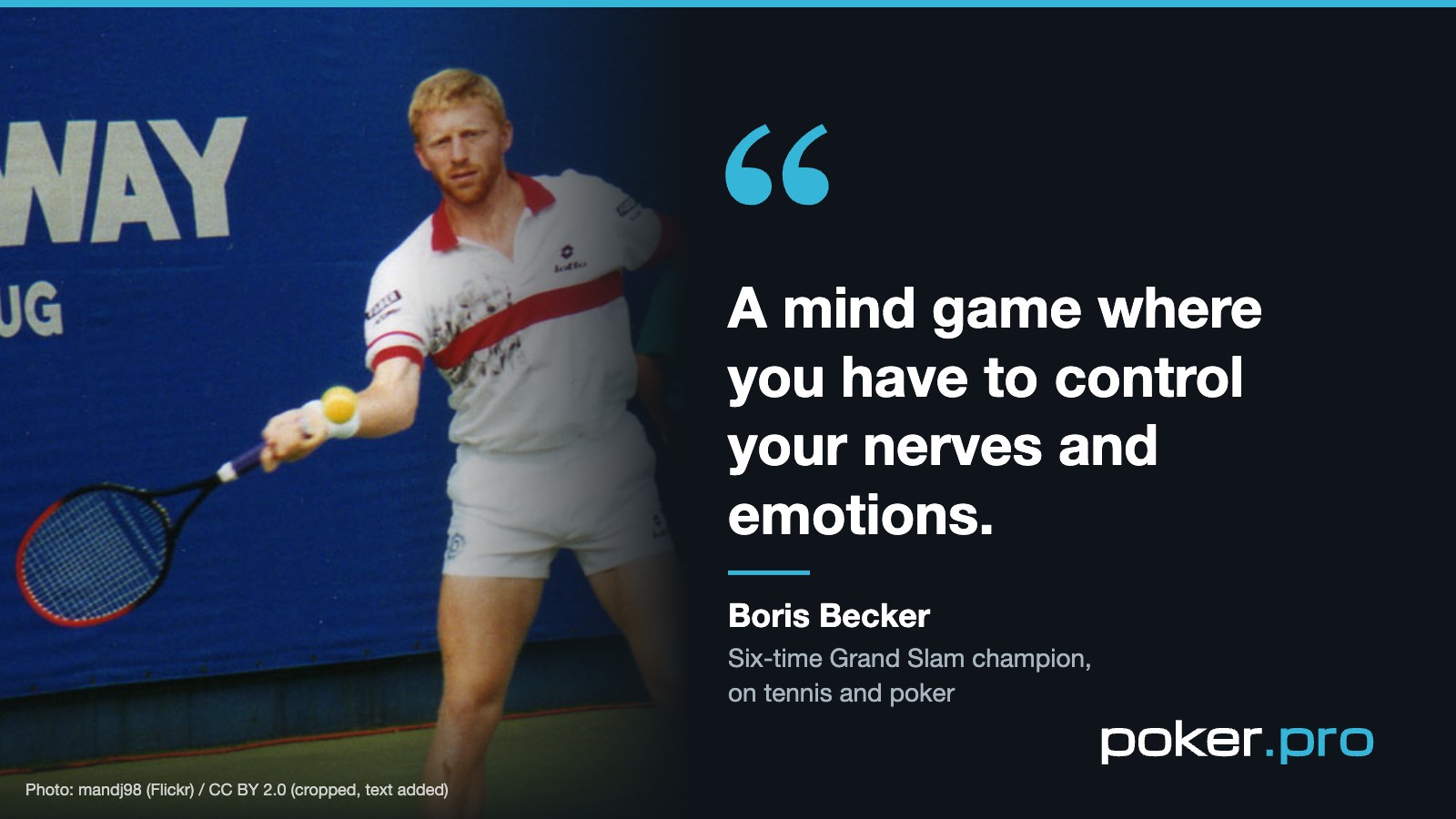
That is exactly what an elite athlete's career provides: thousands of hours of performing while being watched, judged and paid. An athlete who has taken a penalty in a stadium or served for a Grand Slam title has had more pressure training than almost anyone who sits down at a WSOP final table. Boris Becker made the same point, telling PokerNews that tennis is "very much like poker" and "a mind game where you have to control your nerves and emotions."
Mental Toughness
When Graham Jones, Sheldon Hanton and Declan Connaughton interviewed international-level performers about what separates the best from the rest, they identified 12 attributes of the mentally tough performer, built around self-belief, the drive to keep going, focus and the ability to bounce back from setbacks. Almost every one of them describes a good tournament poker player. The player who can lose a huge pot on Day 2, take a breath and play the next hand on its merits is showing exactly the kind of toughness elite sport demands.
Richard Seymour has described poker in the same terms. He told ESPN that the game "pulls so much from you and has direct parallels to football," and that playing "each hand as its own" is critical to success.
Emotional Control and Tilt
Tilt, the loss of control that follows a bad beat or a run of losses, is one of the most common and costly leaks in poker. Cognitive scientist Jussi Palomäki and his colleagues at the University of Helsinki interviewed online players about their worst sessions and found that tilt was driven by a sense of unfairness after losses, which led players to chase their money back and make worse decisions.
Two of Palomäki's findings matter here. Experienced players were more likely to blame their own mistakes than bad luck, and to treat bad beats as "merely variance," according to PokerNews' coverage of his doctoral research. And a follow-up study found that experienced poker players scored as more emotionally stable, which the researchers suggested may be both a predictor and a product of poker success. Athletes who have spent their careers working on composure arrive with a head start on exactly this skill.
Discipline, Practice and Coaching
Elite athletes are among the best-trained people in the world at improving deliberately. K. Anders Ericsson's research on deliberate practice showed that elite performers in music and other fields are separated less by talent than by years of structured, effortful practice aimed at specific weaknesses. Athletes live this every day, with coaches, video review and training plans.
That habit transfers well. Seymour studied poker through books, videos, and discussions with professional players. The best modern poker players work the same way, with coaches, solvers and study groups (see our guide to modern poker study), and athletes are already comfortable with being coached and criticized.
Fitness and Stamina
Tournament poker is a long game. WSOP days run for 10 hours or more, and a deep Main Event run can last more than a week. A review by Charles Hillman, Kirk Erickson and Arthur Kramer in Nature Reviews Neuroscience found strong evidence that physical activity and aerobic fitness benefit brain function and cognition across the lifespan. Former athletes tend to stay fit, sleep well, and manage their energy, which helps keep their decision-making sharp late in the day when others fade.
Competitive Drive
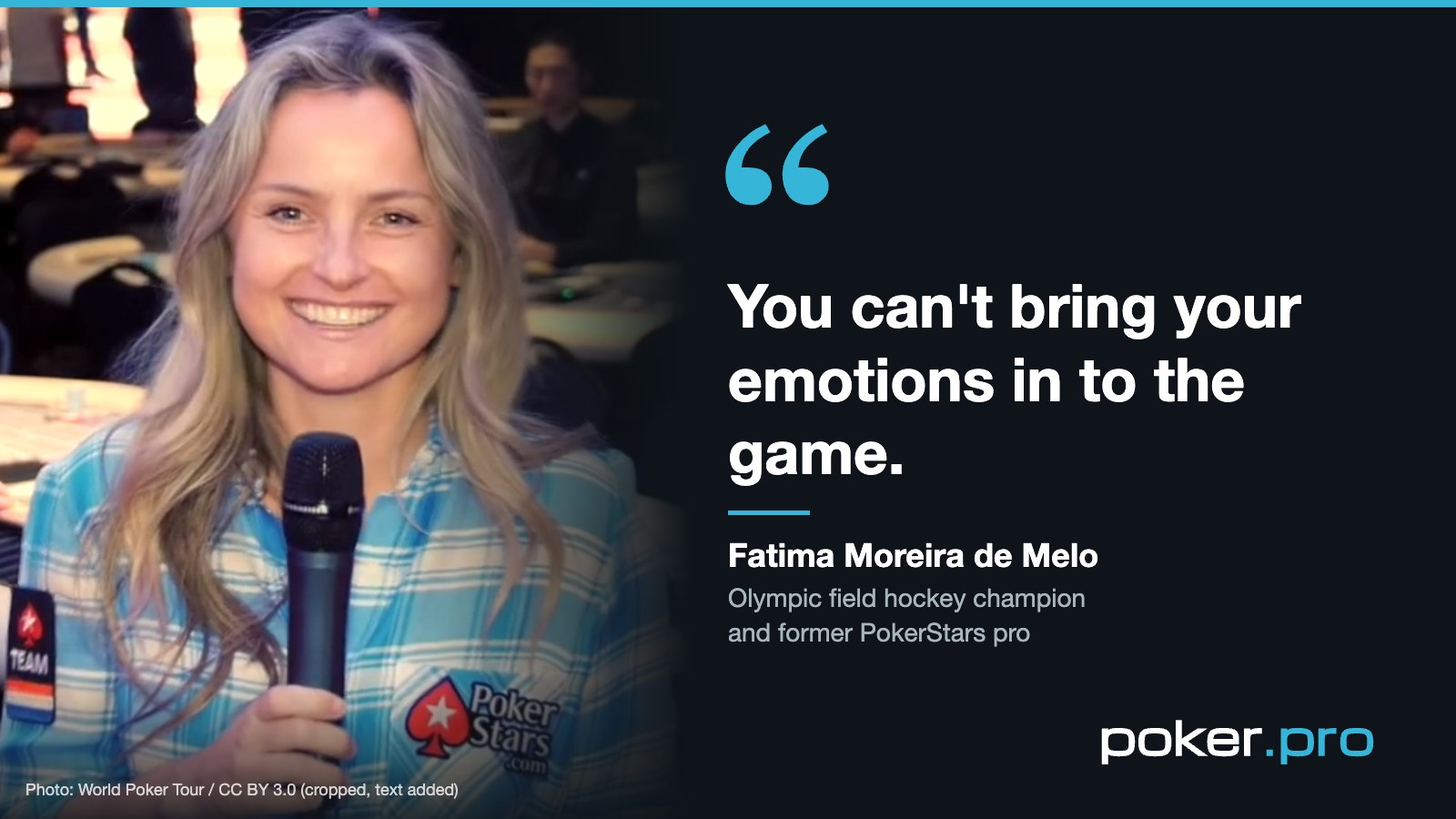
Finally, there is the simple desire to win. Seymour described poker as the place where he gets "to compete from a mental intelligence standpoint" and called it "my current competitive outlet." Moreira de Melo, a three-time Olympic medalist, has told PokerListings she is "really competitive" and said she values poker's individual nature because "you get all the credit when you do things right." That drive keeps athletes studying and grinding long after most recreational players would have quit.
Where Elite Sport Can Hurt Your Poker
Judging Decisions by Results
In 1988, Jonathan Baron and John Hershey showed people the same medical and gambling decisions, made with the same information, but told some of them the outcome was good and others that it was bad. People consistently rated decisions with good outcomes as better, even though many said outcomes should not matter. Psychologists call this outcome bias. Former poker pro Annie Duke popularized the poker term for it, "resulting," in her book Thinking in Bets.
Sport trains athletes to think this way. A goal is a goal, a win is a win, and the scoreboard is the final judge. In poker, a correct all-in can lose, and a terrible call can win. Players who judge their game by the scoreboard end up abandoning good strategies after bad beats and repeating mistakes that happened to work, and athletes are conditioned to do exactly that.
Feedback That Isn't Fair
In most sports, the better player wins most of the time, and you find out quickly. In poker, as the Croson study showed, past success explains only a tiny share of any single result. An elite athlete can play well for a week and lose, or play badly and win a title. That slow, noisy feedback is uncomfortable for people used to clear signals (our guide to mastering variance in poker covers how pros cope with it), and it is a big reason why Palomäki found that a sense of unfairness drives tilt.
Believing in Hot Streaks
Athletes talk about being "in the zone" and having a hot hand. In 1985, Thomas Gilovich, Robert Vallone, and Amos Tversky studied basketball shooting and concluded that the hot hand was an illusion. That finding was overturned in part when Joshua Miller and Adam Sanjurjo showed in 2018 that the original analysis contained a statistical bias, and that there was evidence of streak shooting after all.
Even so, a hot hand in shooting comes from a player's own form, not the cards. In poker, a run of good cards says nothing about the next hand, and players who believe they are on a heater tend to play too many pots and take on too much risk. Athletes who trust their streaks have to learn that the deck has no memory.
Ego and Identity
Elite athletes are used to being the best in the room. Poker does not care. Brewer, Van Raalte, and Linder described athletic identity as the degree to which people define themselves through their sport, and later research found that athletes with a strong and exclusive athletic identity face a greater risk of adjustment problems when their careers end.
For a retired athlete, poker can fill that competitive gap, but it also means starting over as a beginner and losing far more often than winning. Athletes who struggle are often the ones who jump straight into high-stakes games on the strength of their name and bankroll, instead of learning the game at stakes where mistakes are cheap.
The Physical Edge Disappears
Moreira de Melo summed it up simply: the mental pressure of top-level sport carries over, but "the physical aspect doesn't come in to play." Speed, strength and reflexes are worth nothing at a poker table, and an athlete who has always relied on physical gifts to bail them out has nothing to fall back on.
Elite Athletes at the Poker Table
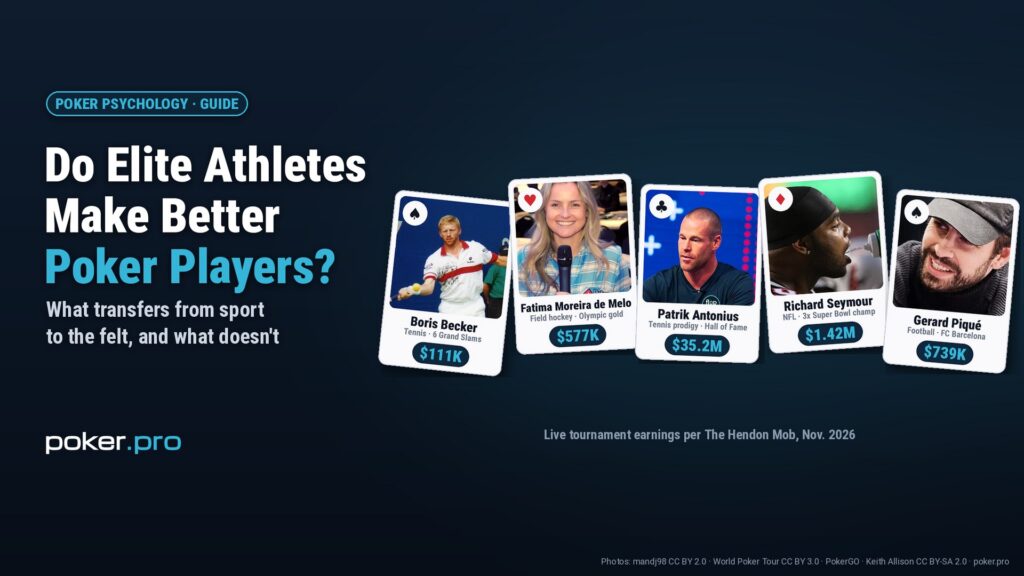
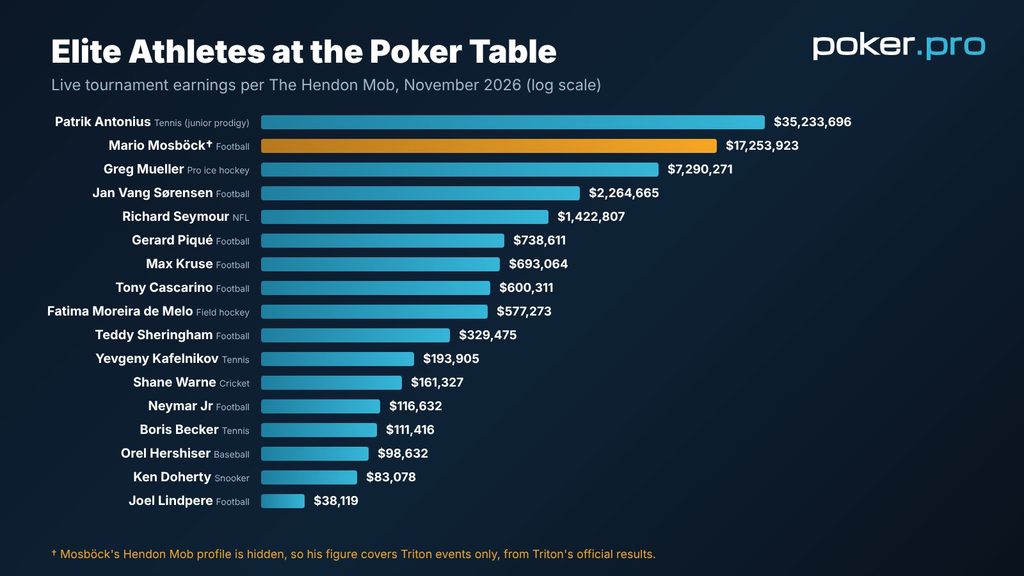
The records of the best-known athletes in poker tell the same story. A handful have become genuinely elite players. Most have had memorable runs as ambassadors and celebrity guests, and some of the world's greatest athletes have barely made a dent. Football has produced more poker players than any other sport on this list, and its biggest earner proves the point: Mario Mosböck, who left the game at 21, has won far more than any of the internationals. The table below is a snapshot of live tournament earnings as recorded by The Hendon Mob in November 2026, with one exception. Mosböck's Hendon Mob profile is hidden, so his figure comes from Triton's official results and covers Triton events only.
| Player | Sport | Live Earnings (The Hendon Mob) | Poker Highlight |
|---|---|---|---|
| Patrik Antonius | Tennis (junior prodigy) | $35,233,696 | Poker Hall of Fame (2024) |
| Mario Mosböck | Football | $17,253,923† | Four Triton titles |
| Greg Mueller | Pro ice hockey | $7,290,271 | Three WSOP bracelets, third in the 2026 WSOP Main Event |
| Jan Vang Sørensen | Football | $2,264,665 | Two WSOP bracelets (2002 and 2005) |
| Richard Seymour | NFL | $1,422,807 | 2026 WSOP Circuit Cherokee High Roller ring, runner-up at 2026 WPT Seminole Hard Rock |
| Gerard Piqué | Football | $738,611 | Runner-up in the 2019 EPT Barcelona €25,000 High Roller |
| Max Kruse | Football | $693,064 | 2022 WSOP Europe bracelet |
| Tony Cascarino | Football | $600,311 | Former Republic of Ireland striker |
| Fatima Moreira de Melo | Field hockey | $577,273 | Former PokerStars pro, Olympic gold medalist |
| Teddy Sheringham | Football | $329,475 | Former England striker |
| Yevgeny Kafelnikov | Tennis | $193,905 | Former world No. 1, ninth in a 2005 WSOP event |
| Shane Warne | Cricket | $161,327 | Cashed in the 2015 WSOP Main Event |
| Neymar Jr | Football | $116,632* | Won the 2026 BSOP Millions 1-Day High Roller for R$380,000 |
| Boris Becker | Tennis | $111,416 | Former PokerStars ambassador |
| Orel Hershiser | Baseball | $98,632 | Former Los Angeles Dodgers pitcher |
| Ken Doherty | Snooker | $83,078 | 1997 snooker world champion |
| Joel Lindpere | Football | $38,119 | Runner-up in the 2016 Estonian Championship of Poker Main Event |
Snapshot as of November 2026. Live tournament earnings are an imperfect measure of poker ability. They exclude online results, cash games, staking arrangements and buy-in costs, and they can reflect volume and access to high-stakes events as much as skill. *Neymar Jr's BSOP Millions results from November 2026, including his first live title, had not yet been added to The Hendon Mob when this snapshot was taken. †Mosböck's profile is hidden on The Hendon Mob, so his figure is Triton earnings only, from Triton's official results.
Patrik Antonius: The Tennis Prodigy
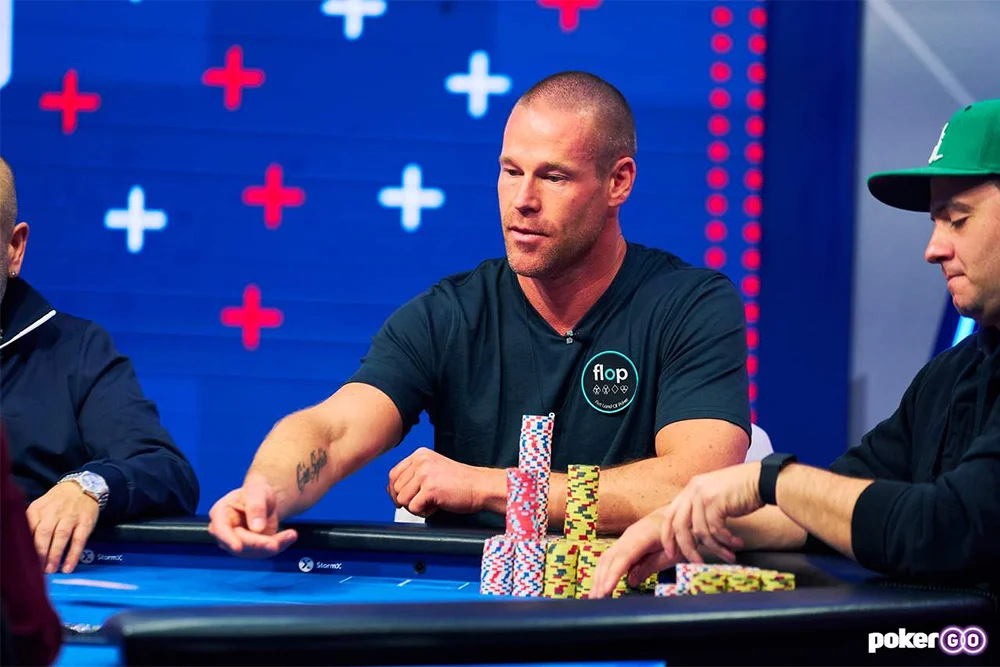
Finland's Patrik Antonius is the clearest example of a sporting mind becoming a poker great. His coaches considered him a tennis prodigy by his early teens, but a serious back injury ended his career before it began, according to a PokerNews profile. He first played poker with friends at his tennis club and went on to become one of the most feared high-stakes players in the world, with more than $35 million in live tournament earnings tracked by The Hendon Mob and a place in the Poker Hall of Fame.
In 2026, he played Monarch in a $20 million heads-up match at Triton Jeju, the biggest heads-up match in livestreamed poker history. Crucially, Antonius never became a famous athlete. He came to poker hungry, young, and with nothing to protect.
Greg Mueller: The Hockey Pro
Canada's Greg Mueller is the best example of a genuine professional athlete becoming an elite poker pro. A defenseman who played professionally in Germany, he first learned poker on team buses between games and made it his second career after retiring in 1999, according to a 2009 PokerNews profile.
He has since won three WSOP bracelets, including the $10,000 Limit Hold'em and $10,000 H.O.R.S.E. Championships, and his third-place finish in the 2026 Main Event for $3,750,000 was the biggest score of his career. His $7.29 million in live earnings on The Hendon Mob makes him the most successful of the athletes on this list who played their sport at the very top level.
Richard Seymour: The Super Bowl Champion
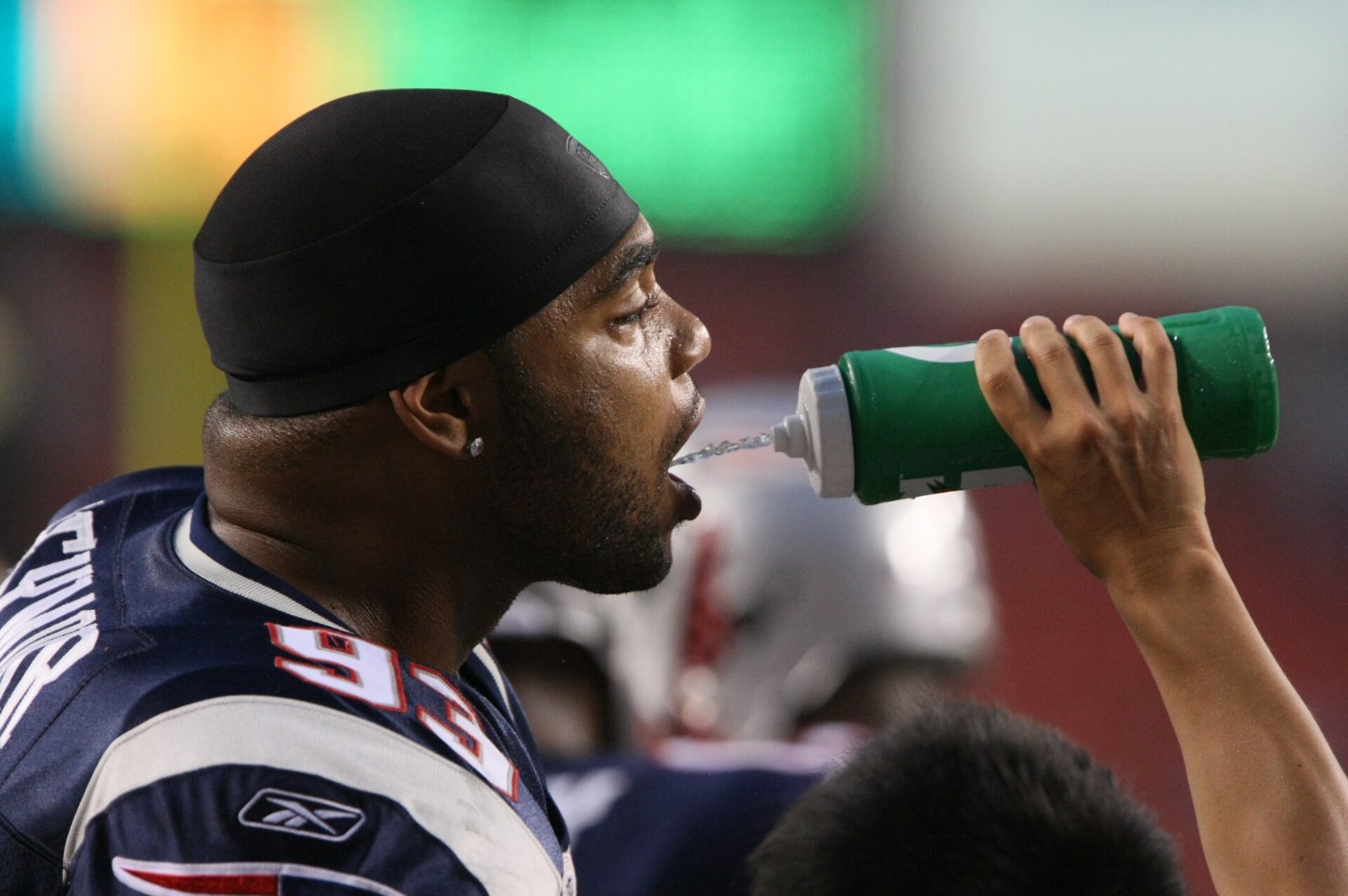
Seymour won three Super Bowls with the New England Patriots and has become a respected regular in high roller events. He finished 131st in the 2019 WSOP Main Event, and in February 2026 he beat the field in the $2,200 WSOP Circuit High Roller at Harrah's Cherokee for $106,577 and his first gold ring.
Two months later, he finished runner-up to Ian Cohen in the 1,417-entry WPT Seminole Hard Rock Poker Showdown Championship for $430,000, the biggest cash of his career, as PokerNews reported. The Hendon Mob now lists his live earnings at $1,422,807.
Gerard Piqué: The High Roller
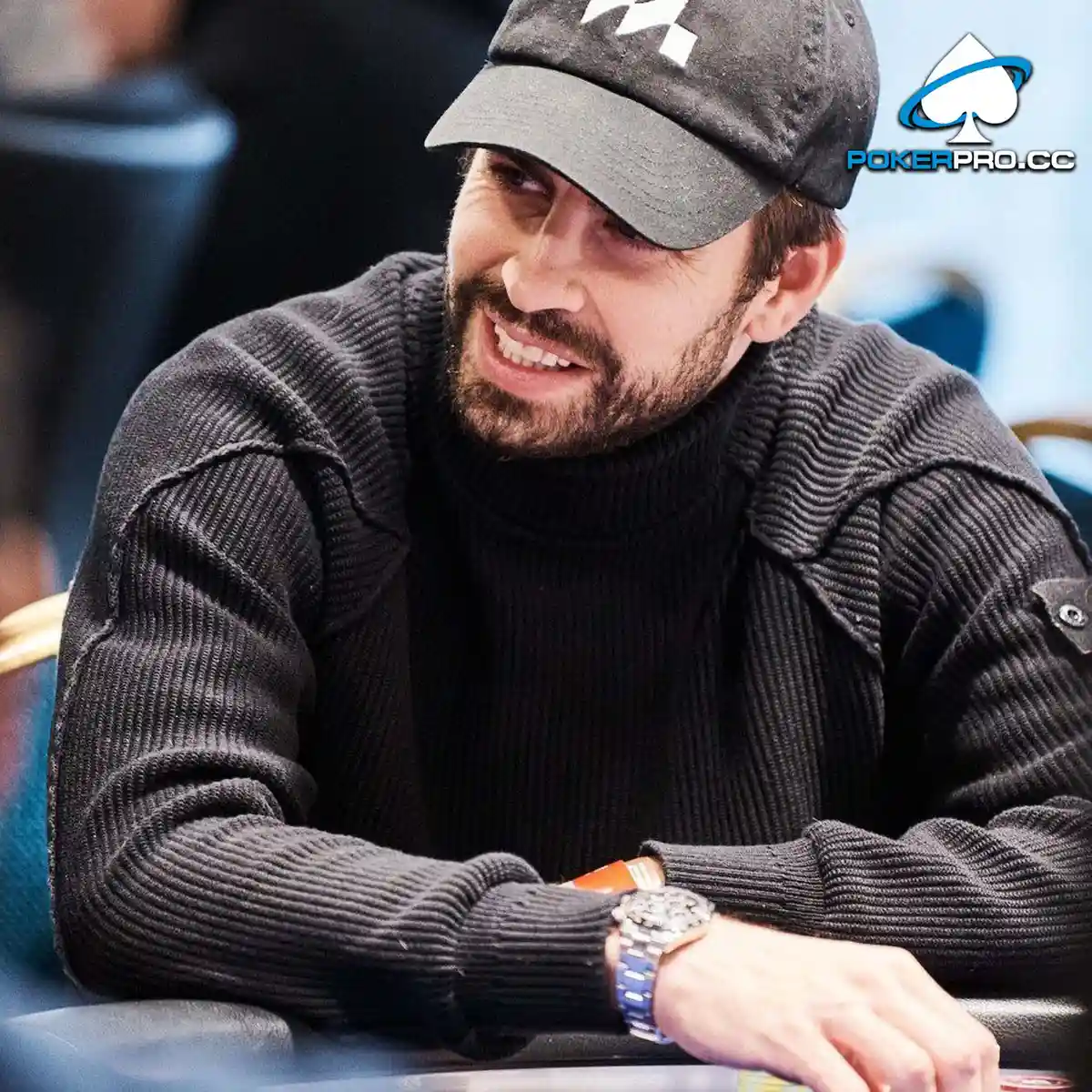
Former FC Barcelona defender Gerard Piqué finished second in the €25,000 Single-Day High Roller at EPT Barcelona in 2019, losing heads-up to Juan Pardo for €352,950, while teammate Arturo Vidal finished fifth, as poker.pro reported at the time. It is a reminder that high rollers are a different kind of test, with small fields and some of the toughest players in the world, and Piqué held his own.
Max Kruse: The Bundesliga Bracelet Winner
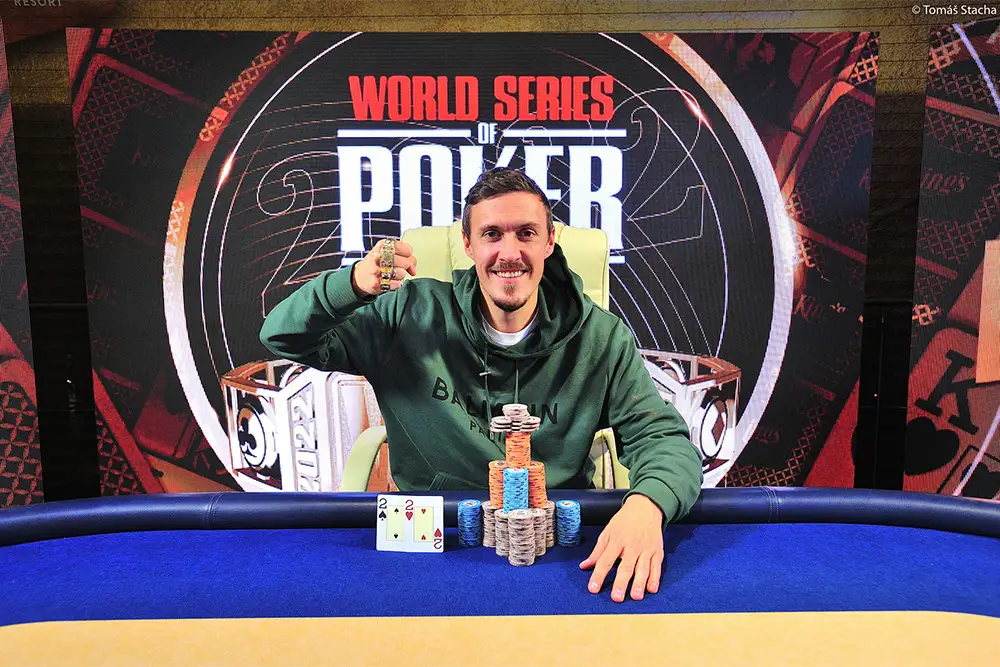
Germany's Max Kruse took poker seriously while he was still at the top of his football career. The striker played more than a decade in the Bundesliga for clubs including Borussia Mönchengladbach, Wolfsburg, Werder Bremen and Union Berlin, earned 14 caps for Germany and played at the Tokyo Olympics. He also owns a World Series of Poker Europe bracelet. In November 2022, he topped a 413-entry field in the €1,650 No-Limit Hold'em 6-Handed at King's Resort in Rozvadov for €134,152, as PokerNews reported.
That was no one-off. Kruse finished third in the $1,500 No-Limit 2-7 Draw Lowball at the 2014 WSOP for $36,494 and runner-up in the €2,200 Deutsche Poker Meisterschaft in Rozvadov in 2022 for €48,764. The Hendon Mob tracks $693,064 in live earnings for him, with cashes in mixed games such as Limit T.O.R.S.E. and Mixed Triple Draw at the WSOP. His love of the game has also cost him. Wolfsburg fined him in 2016 after he left €75,000 in poker winnings in the back of a Berlin taxi, a story PokerNews covered at the time.
Mario Mosböck: The Footballer Who Became a Triton Star
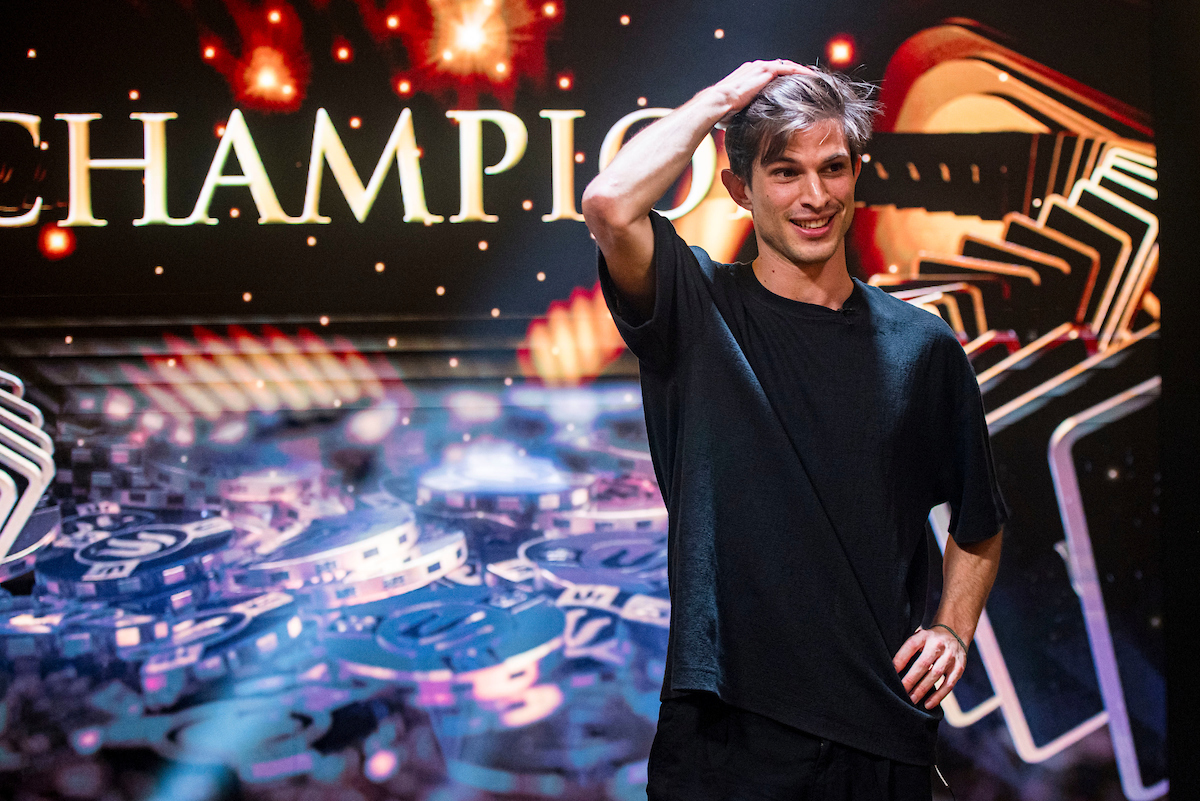
If Kruse shows that a top footballer can become a very good poker player, Austria's Mario Mosböck shows that the size of a sporting career has little to do with poker results. Mosböck came through the SKN St. Pölten academy, played 18 games for the first team between 2015 and 2017 and left football at 21. Kruse was the far better footballer, but Mosböck has become the far better poker player.
He is now one of the most successful players on the high roller circuit and a Triton Poker ambassador. Our Triton results database credits him with four Triton titles and $17,253,923 from 26 Triton cashes. That includes runner-up finishes in the $200,000 Invitational in Monte-Carlo in 2023 for $2,690,000 and the $150,000 NLH 8-Handed at Jeju II in 2025 for $3,067,941.
More Footballers Who Took Up Poker
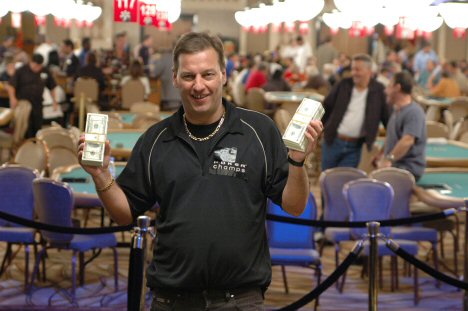
Denmark's Jan Vang Sørensen learned poker while playing for Odense Boldklub, and an injury pushed him toward the game full time, as our look at soccer players who play poker explains. He won WSOP bracelets in the $2,500 Pot-Limit Omaha in 2002 for $185,000 and the $5,000 Seven Card Stud in 2005 for $293,275, and his biggest score came at the 2008 Master Classics of Poker in Amsterdam, where he won €623,100. The Hendon Mob tracks $2,264,665 in live earnings for him.
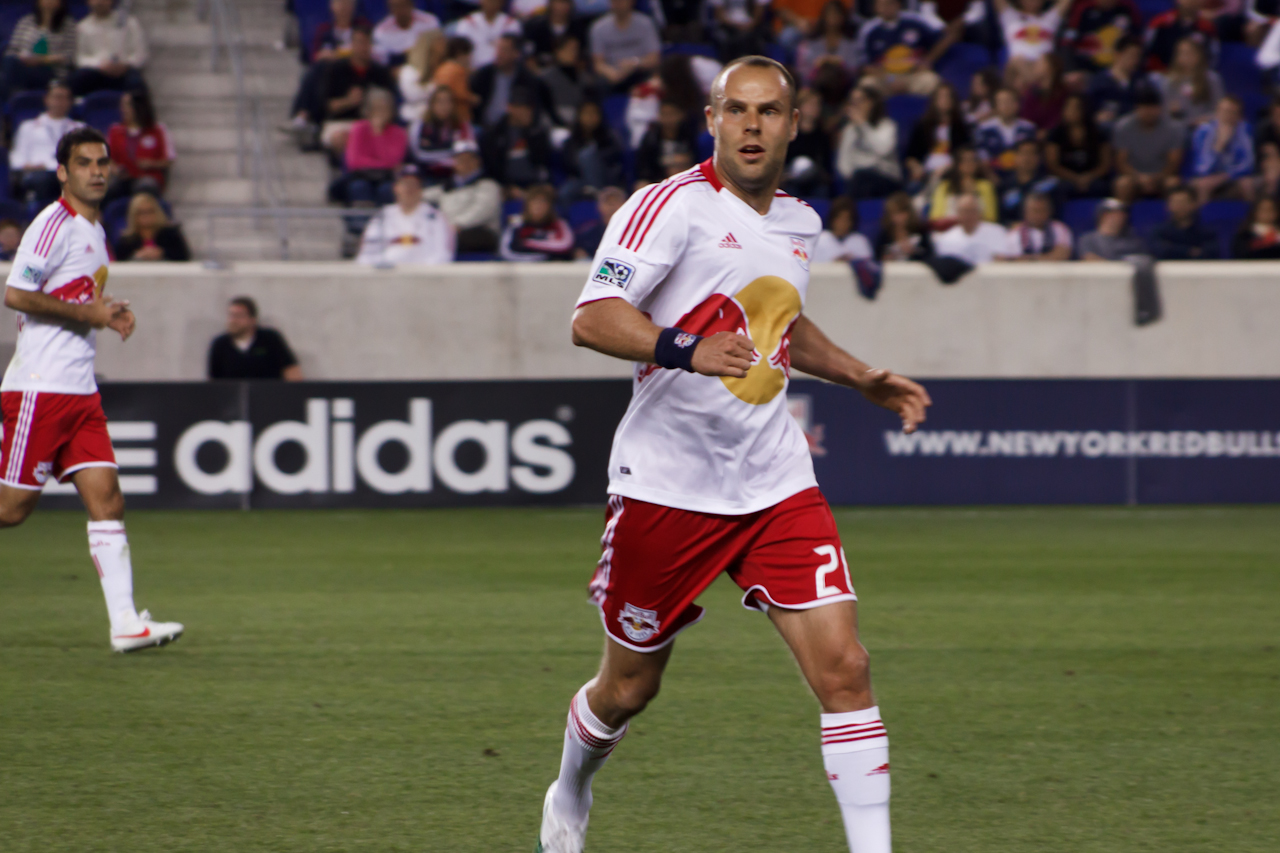
Estonia's Joel Lindpere earned 107 caps for his country and was a two-time MLS All-Star with the New York Red Bulls. He has also had his moments at the poker table, finishing second in the 2016 Estonian Championship of Poker Main Event for €11,900 and winning a bounty event at the Unibet DeepStack Open in Marrakech in 2024. Full disclosure: Joel has been a friend of mine for more than a decade, and I translated the first chapter of his biography from Estonian into English.
Then there is Spain's Albert Riera, the former Liverpool winger. He was reportedly released by Udinese in 2014 after skipping a match to play a €300 tournament across the border in Nova Gorica, Slovenia, where he finished second. You can read more about him, Sørensen and other footballers in our Top 10 Soccer Players Who Play Poker.
Yevgeny Kafelnikov: The Counterexample
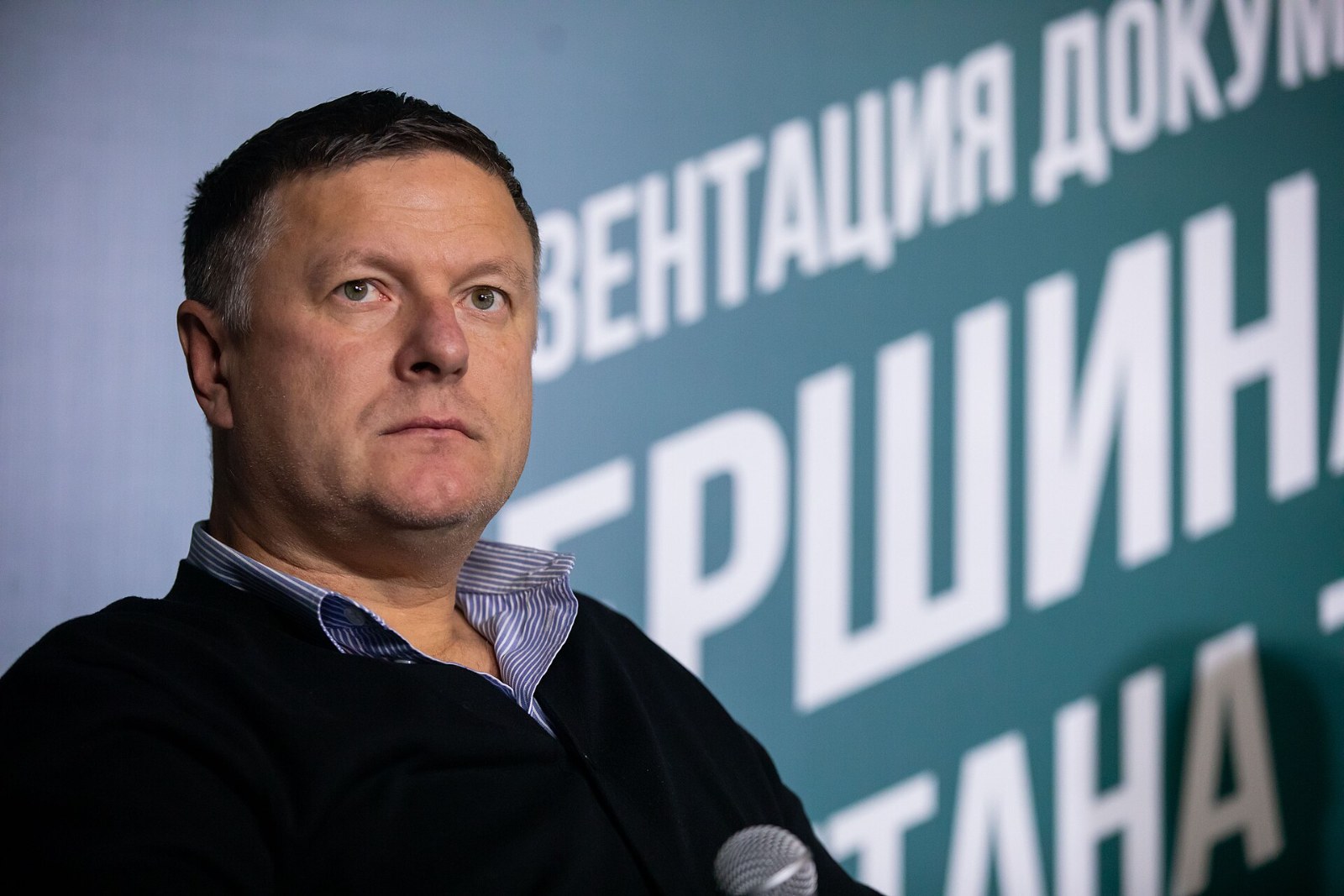
Yevgeny Kafelnikov won two Grand Slam singles titles, reached world No. 1, and won Olympic gold. At the poker table, The Hendon Mob lists $193,905 in live earnings, a ninth-place finish in a 2005 WSOP Seven Card Stud event among them. Kafelnikov is no worse a competitor than any athlete on this list. His record is simply the clearest proof that being the best in the world at one game does not make you good at another.
The Risk Side: Athletes and Problem Gambling
There is a less glamorous side to the competitive personality. In a 2016 study of 1,236 professional athletes across eight team sports in seven European countries, Marie Grall-Bronnec and colleagues found that 56.6% had gambled in the previous year and 8.2% reported current or past problem gambling. Betting online, gambling regularly and a high score for acting rashly when in a good mood were among the factors linked with problems, and the authors concluded that professional athletes are "particularly exposed to both gambling and problem gambling."
The same drive that makes athletes tough competitors can make losses hard to walk away from, especially after retirement, when the structure and identity of a sporting career disappear. Poker is a game of skill, but it is played for money, and anyone who takes it up, athlete or not, should set limits and treat losing sessions as part of the game. If gambling stops being fun, organizations like GamCare, BeGambleAware and the National Council on Problem Gambling offer free, confidential support.
How to Use Sports Psychology at the Poker Table
The good news is that you don't need a professional sports career to borrow its mental tools. The most influential mental game coach in poker, Jared Tendler, came to poker from golf. A former competitive golfer, he has written for Golf.com about how he started coaching after missing four short putts in a 1997 U.S. Open local qualifier, and he has coached PGA and LPGA Tour winners as well as poker players. He has described the zone in both games as the peak of your mental performance, and told PokerListings that "the thing that's consistent between poker and sports is the mental process."
Tendler's best-known idea is the inchworm. Your play falls on a range, from your best decisions, your A-game, to your worst, your C-game. You improve by pushing your A-game higher and then eliminating your C-game mistakes, so the whole range moves forward together, like an inchworm. Athletes already think this way about technique. Here is how anyone can apply sports psychology to poker:
- Train under pressure. Like Beilock's golfers, practice in conditions that feel like the real thing. Play satellites and bigger tournaments occasionally so the big moments feel familiar.
- Judge decisions, not results. Review hands based on what you knew at the time. A good all-in that loses is still a good all-in.
- Build a pre-game routine. Athletes warm up. Poker players can too, with a short review of their game plan, their tilt triggers, and their stop-loss before every session. Our guide to getting in the right mindset before a tournament has more.
- Know your tilt profile. Write down what sets you off, whether it is bad beats, a particular opponent or running card dead, and decide in advance how you will respond.
- Stay fit. Exercise, sleep, and nutrition all affect decision-making late in long sessions.
- Respect the learning curve. Start at stakes where mistakes are affordable. Being good at something else buys you nothing at the table.
The Verdict
Elite athletes do not automatically make better poker players, but the best of them make better poker students. Sport gives them pressure training, composure, discipline, fitness and a hunger to compete, and the research suggests those mental skills are real advantages in a game where tilt and fatigue are among the biggest leaks. What sport cannot give them is the knowledge itself, and some of its lessons, from trusting the scoreboard to riding a hot streak, have to be actively unlearned.
Greg Mueller and Patrik Antonius did not succeed because they were athletes. They succeeded because they brought an athlete's work ethic and mental game to a new field, then put in the years of study that any poker player needs. For the rest of us, the lesson is the same: you don't need a sporting career to think like an athlete at the table.
Elite Athletes and Poker Psychology: FAQ
Do athletes make good poker players?
Athletes are not automatically good poker players, because poker knowledge has to be learned from scratch, and research shows expertise rarely transfers between fields. However, elite sport can provide useful mental skills, including performing under pressure, emotional control, and disciplined practice. Former pros like Greg Mueller and Richard Seymour show those skills can pay off with enough study.
Which athletes have been most successful at poker?
Former junior tennis prodigy Patrik Antonius has more than $35 million in live earnings and is in the Poker Hall of Fame. Former professional hockey player Greg Mueller has three WSOP bracelets and finished third in the 2026 WSOP Main Event for $3.75 million. NFL Hall of Famer Richard Seymour won a WSOP Circuit ring in 2026 and finished runner-up at WPT Seminole Hard Rock for $430,000. Former Austrian footballer Mario Mosböck has four Triton titles and more than $17 million in Triton earnings, and German international Max Kruse won a WSOP Europe bracelet in 2022.
Which footballers play poker?
Several footballers have built real poker records. Germany's Max Kruse won a WSOP Europe bracelet in 2022 while still playing in the Bundesliga, and Austria's Mario Mosböck left football at 21 and has since won four Triton titles. Denmark's Jan Vang Sørensen won two WSOP bracelets, while Gerard Piqué, Neymar Jr and Joel Lindpere have also cashed in live tournaments.
What skills transfer from sports to poker?
The skills that transfer best are psychological: handling pressure, mental toughness, emotional control after setbacks, disciplined practice, comfort with coaching, and the stamina to stay sharp through long sessions. Research on choking under pressure and on poker tilt suggests these are real advantages, while physical ability and sport-specific knowledge do not carry over.
Why do some great athletes struggle at poker?
Sport trains athletes to judge performance by results and expect quick, fair feedback, but poker outcomes are heavily influenced by short-term luck. This can lead to outcome bias, frustration, and tilt. Former tennis world No. 1 Yevgeny Kafelnikov, for example, has under $200,000 in live poker earnings, while Mario Mosböck, who never became a football star, has won four Triton titles.
What is tilt in poker?
Tilt is a loss of emotional control, usually after a bad beat or a run of losses, that leads to poor decisions. Research by Jussi Palomäki at the University of Helsinki found tilt was linked to a sense of unfairness and to chasing losses, and that experienced players were better at treating bad beats as variance rather than personal injustice.
Can sports psychology help poker players?
Yes. Many poker mental game techniques come directly from sports psychology, and leading mental game coach Jared Tendler worked with golfers before poker players. Techniques such as pressure training, pre-game routines, identifying tilt triggers, and judging decisions rather than results can help any player improve, whether or not they have a sporting background.
- 18+ | Play responsibly.
- Article originally produced at poker.pro.
About the author

More Articles
Straddle Smart: Why Most Players Misuse the Most Misunderstood Move in Poker
Mistake Tolerance in Poker: Why Some Boards Punish You More Than Others
Pressure Point Sizing: A New C-Betting Framework
How to Size Your 3-Bets Correctly in Poker: The GTO and Live Player Guide
Redefining the Small Blind: Modern Aggression and New Tactical Lines for Professional Players
Why Hand Equity Isn’t Static: How Position Changes Everything
When To Bluff Multiway
The Stories Bluffs Tell: How to Read Betting Patterns