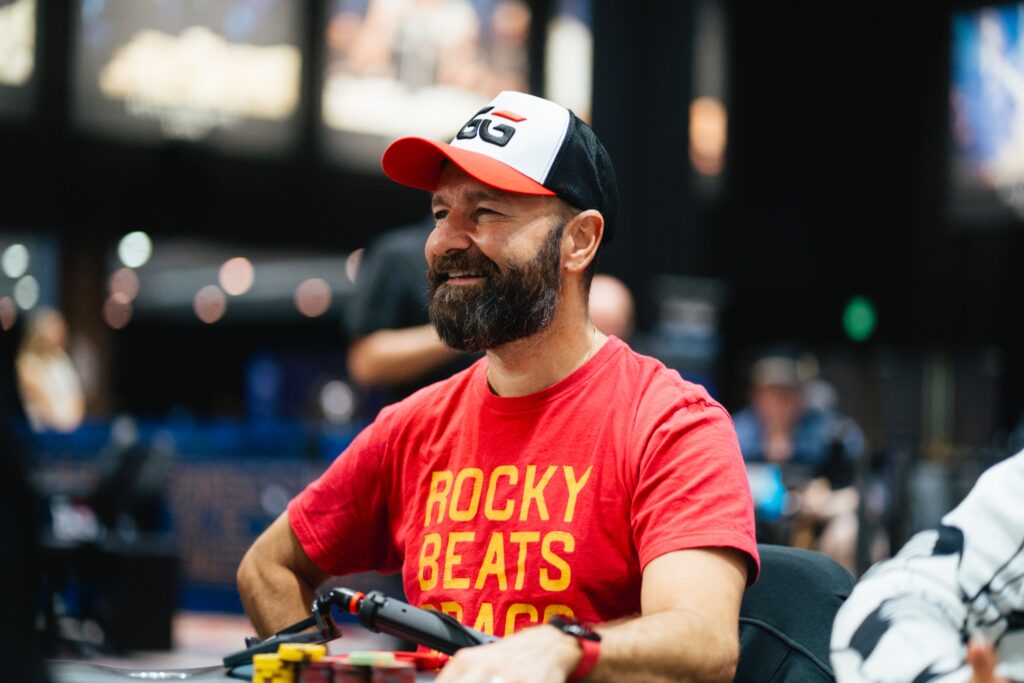
Daniel Negreanu’s $25,000 WSOP Fantasy contest is back for another summer, and once again it is set to turn the World Series of Poker (WSOP) into a second competition within the competition. The auction-style draft remains one of the most anticipated off-table events of the series because it gives players, fans, and poker insiders a reason to sweat every bracelet event from start to finish.
Scheduled for May 25 in Las Vegas, the draft arrives just before the 2026 WSOP begins and will again be tracked closely by the poker world. Negreanu’s fantasy history page and recent preview coverage show that the format has become a long-running tradition built around big names, sharp bidding, and summer-long bragging rights.

A summer tradition
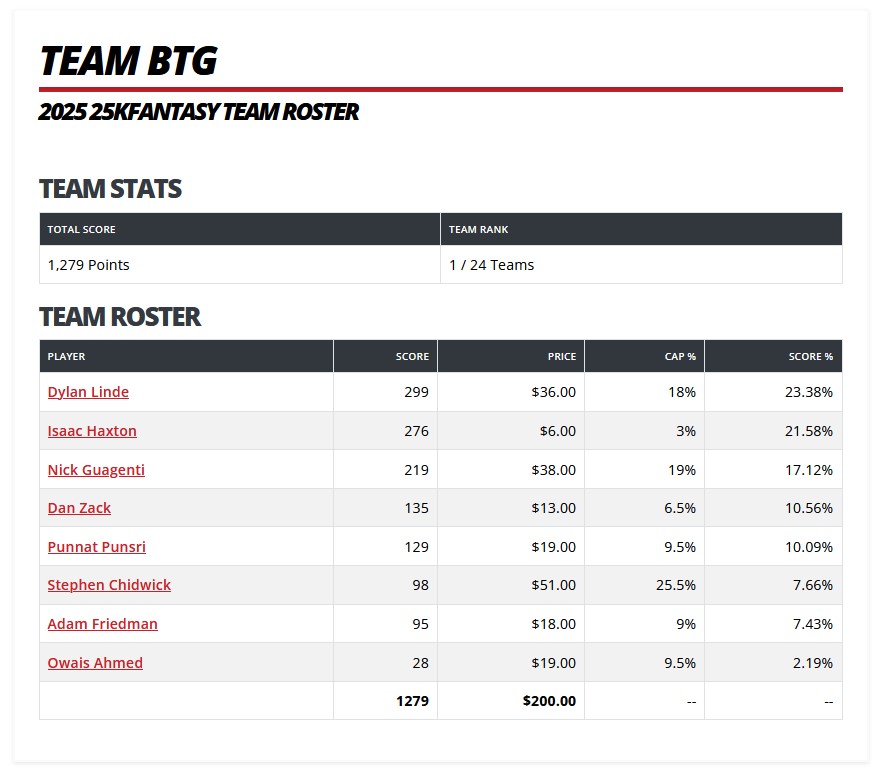
The $25K Fantasy contest is one of poker’s most distinctive side games because it combines fantasy sports logic with the unpredictability of live tournament poker. Teams pay a $25,000 entry fee, receive a $200 auction budget, and draft eight players who will score points across the WSOP schedule.
The contest dates back to 2010, when the first WSOP fantasy draft took place at Howard Lederer’s house, and Negreanu took over the concept in 2011. On his history page, Negreanu explains that the format took hold because it created extra buzz around the series and gave fans another reason to follow the action.
Check out how last year’s WSOP Fantasy Draft unfolded in Daniel Negreanu’s vlog.

How the rules work
The structure is simple on paper but tricky in practice. Each team must build an eight-player roster while staying under the $200 budget, which forces drafters to decide whether to spend heavily on one or two elite stars or spread their money across a deeper, more balanced lineup.
Scoring is based on results in official WSOP bracelet events, with deep runs, final tables, and wins driving the most value throughout the summer. The official tracking site, 25kfantasy.com, follows the standings as the series unfolds and has become part of the daily sweat for fantasy backers.
That setup is what makes the contest so volatile. One unexpected bracelet run can completely reshape the standings, while a low-cost pick who plays a full schedule can become the kind of value that wins a league.
Draft timing and format
The 2026 draft is set for May 25 in Las Vegas, just before the WSOP begins, continuing its role as an unofficial kickoff event for the summer.
The contest uses an auction format rather than a snake draft, so teams nominate players and bid against one another until every roster is complete. That creates more strategic tension than a standard draft, especially when premium names come up early and aggressive bidding starts to warp the market.

Who is in the mix
As usual, much of the intrigue centers on the player pool. Phil Ivey is one of the more fascinating possible values, while the usual suspects in Phil Hellmuth, Shaun Deeb, Benny Glaser, Jeremy Ausmus, Brock Wilson, and Chino Rheem are names likely to generate interest from drafters. Others may prove to be wild cards, including Patrick Leonard, who may decide to play fewer bracelet events over the recent WSOP controversy over patches, and 2025 WSOP Main Event champion Michael Mizrachi, whose schedule will likely remain sporadic at best but could prove to be tremendous value.
Negreanu himself is always one of the major storylines, both as commissioner and as a player whose price attracts outsized attention. Recent draft coverage has shown that he can command one of the biggest numbers on the board, turning him into both a prestige purchase and a difficult cap-management decision. Meanwhile, a player who grinds, such as Allen Kessler, could prove to be of value if auctioned at the right price.
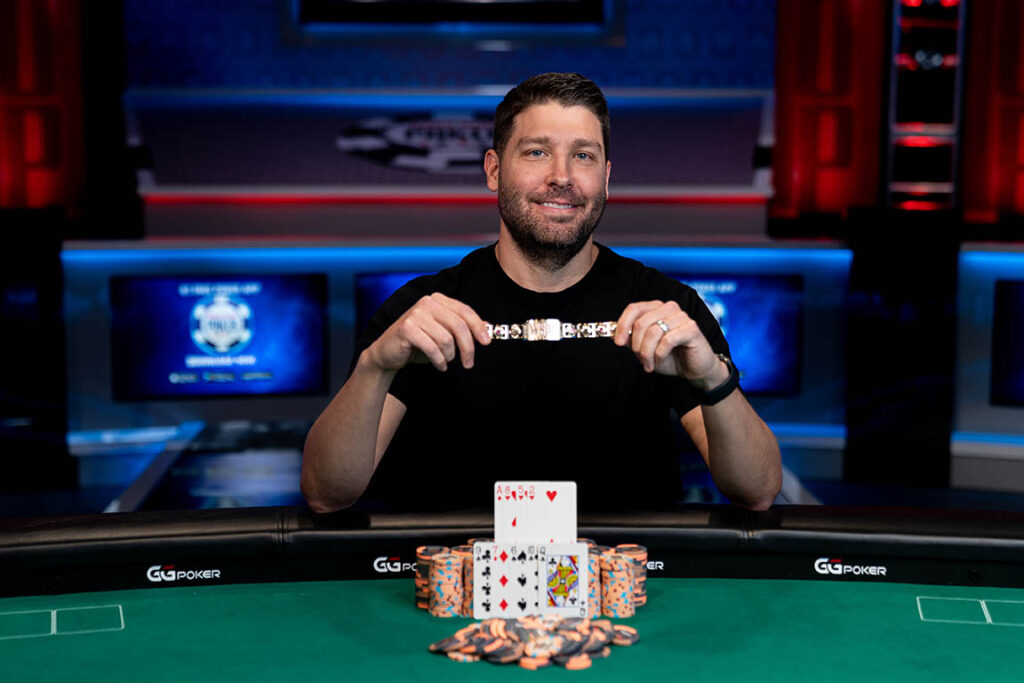
The broader fantasy ecosystem also rewards players with strong WSOP volume, mixed-game ability, and the flexibility to chase points across the full bracelet schedule. That is part of what makes the contest compelling: success usually comes from sharp forecasting, not just buying the most famous names.
Why the Contest is Cool and Will Continue to Grow
The contest has grown into one of the unofficial opening acts of the WSOP because it gives the poker community a reason to stay invested in every event. A player who barely registers in mainstream coverage can still become fantasy gold by piling up points in mixed games, lower-profile bracelet events, or a timely deep run.
It also creates a shared narrative that runs alongside the series itself. Every final table matters a little more when it affects fantasy rosters, and every surprise score can ripple through the standings for weeks.
Negreanu’s $25K Fantasy contest works because it turns the WSOP into a longer, richer story. The bracelets still matter most, but the fantasy layer makes fans care about the full schedule rather than just the marquee events.
Its influence extends well beyond Las Vegas, with lower-buy-in fantasy versions mirrored by poker groups worldwide. A good example is the APAT 2026 Fantasy Poker Competition, a public Facebook group described as a place for anyone interested in playing or following the annual APAT WSOP fantasy league, which shows how the concept has spread into more casual and community-driven formats.
That wider adoption also helps reinforce poker’s status as a genuine mind sport. In 2024, the International Mind Sports Association officially recognized poker as a mind sport, placing it alongside games such as chess, bridge, mahjong, and Go. The spread of fantasy formats underscores the strategic depth, study, and long-term skill edge that define the game.
In that sense, contests like Negreanu’s do more than create a summer sweat. They help show fans, media, and policymakers that poker is not just gambling entertainment but a competitive skill game, a useful point for the industry as politicians and regulators continue to make decisions that affect the wider poker ecosystem.