







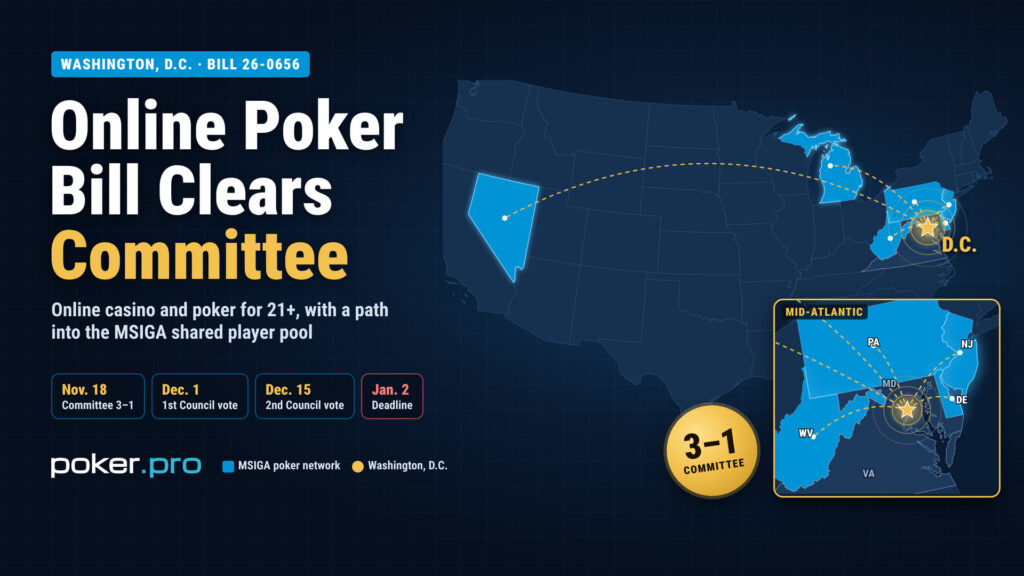
Washington, D.C.’s Committee on Human Services voted 3-1 on November 18 to advance a bill that would legalize online poker and casino gambling in the nation’s capital.
If it clears two full Council votes before January 2, D.C. would become the ninth U.S. jurisdiction with regulated online casino gaming and, crucially, would open a path to joining the Multi-State Internet Gaming Agreement poker network that already connects Pennsylvania, New Jersey, Delaware, Michigan, West Virginia, and Nevada.
The bill moves next to the Committee of the Whole before the full Council, which has two remaining legislative meetings to pass it.
- Read more: A New York Senate Is Aiming to Legalize Online Poker Within the State
- Read more: Sweepstakes Model Under Attack Across USA










What Bill 26-0656 Would Do
The Internet Gaming and Consumer Protection Act of 2026, introduced by Ward 7 Councilmember Wendell Felder in April, would authorize the D.C. Office of Lottery and Gaming to license and regulate online poker, slots, blackjack, roulette, and live dealer games for players 21 and older. That age threshold is a meaningful change from D.C.'s current minimum of 18 for most gaming products. The bill also explicitly authorizes the Mayor to negotiate reciprocal interstate poker agreements, the provision that makes D.C. a potential MSIGA candidate.
Licensing is open-ended, with no cap on the number of operators. Each pays a non-refundable $2 million application fee, receives a five-year license covering up to two brands, and faces a $1 million renewal fee. Operators already holding a D.C. sports wagering license get expedited review. Tax on adjusted gross internet gaming revenue is set at 25%, dropping to 12.5% for live dealer revenue, with two additional 2% assessments covering regulatory costs and community programs.
The committee version includes a set of consumer protections added at markup: credit cards are banned as a funding method, operators must offer deposit, spending, and loss limits alongside cooling-off periods of at least 72 hours, and promotional credits are capped at 1.75% of adjusted gross revenue. Players under 25 who deposit $500 in a month, and any player whose lifetime deposits hit $2,500, trigger additional interventions. Live dealer studios must be located in D.C. and comply with labor peace agreements, with lawmakers estimating roughly 100 union jobs as a result. Unite Here Local 25 supports the bill.
The Committee Vote: 3-1
Three of the four committee members voted to advance the bill. Felder, the sponsor, was joined by committee chair Matthew Frumin and Councilmember Zachary Parker. Christina Henderson cast the lone no vote.
Frumin's framing captures the central argument for the bill: "If it didn't exist, I wouldn't want to create it. But if it does exist, aren't we better off regulating?" Felder has made the same point consistently, noting that D.C. residents are estimated to wager around $700 million annually on unlicensed sites, with some estimates putting the figure closer to $1 billion, with nothing going to District coffers and no consumer protections in place. His quote from before the markup: "iGaming is happening right now in the District with no safeguards and no benefits to our residents."
Henderson was not persuaded. "I don't think that we can build our revenue on the backs of people's addictions," she said, adding that the added safeguards do not go far enough and that the treatment funding is insufficient. Parker voted yes but raised concerns about enforcement capacity, calling for a regulator "willing to hold these bad actors accountable." Frumin said he would work with Henderson on additional protections before the full Council votes.
Poker: The MSIGA Question
The bill's interstate-poker provision does not name MSIGA directly, so D.C. would not automatically join if the bill passes. It authorizes the Mayor to negotiate reciprocal agreements for pooled liquidity and interstate online poker, to the extent federal law allows. That is a meaningful distinction: joining MSIGA would be a separate executive decision, not a legislative one.
MSIGA currently connects Nevada, Delaware, New Jersey, Michigan, West Virginia, and Pennsylvania: six states sharing a single online poker player pool. DraftKings launched across the network in July 2026, adding its players to the shared pool across Michigan, Pennsylvania, and New Jersey. The geographic case for D.C. joining is strong: the District sits between Pennsylvania, New Jersey, Maryland, and Virginia, surrounded by states that either already have regulated online poker (PA, NJ, DE) or are likely candidates. A D.C. player pool added to MSIGA would not be large on its own, but the liquidity it plugs into is real.
Sweepstakes: License or Leave
The original proposal took a more restrictive approach to sweepstakes operators. The committee version instead created a licensing pathway: sweepstakes operators can apply for a license, pay the same $2 million fee, and operate legally under the same tax structure, or they face enforcement. Reports indicate that a significant number of unlicensed social-plus operators currently serve D.C. players. Fines for unlicensed operation run up to $100,000 per violation and up to $500,000 for a pattern or practice, with each day counting as a separate violation.
The Social Gaming Leadership Alliance had asked for a separate, lighter regulatory framework for sweepstakes operators. The committee rejected that and applied the same license and tax structure. That puts D.C. in a different position from Indiana, which banned sweepstakes casinos in July 2026 with a peer-to-peer poker carve-out, and Oklahoma, which banned them in November 2026 with no carve-out at all. D.C. has no poker-specific carve-out but allows sweepstakes poker sites to apply for the same license as any other operator.
The Revenue Picture
The D.C. CFO's fiscal note projects no online gaming revenue in FY2027, reflecting the time needed to stand up licensing and regulation. From FY2027 through FY2030, the net gain is projected at $58.7 million, with a $246,000 regulatory cost in the first year. Supporters cite about $73 million in gross new tax revenue over that four-year window, with the 25% AGR rate generating roughly $50 million annually at scale.
The committee's amended version directs the first $750,000 in annual internet gaming tax revenue to problem gambling services, up from $500,000 in the introduced version. A third-party vendor would deliver those services. A separate 2% community impact assessment is estimated to raise about $2 million a year for domestic violence services, youth job training and financial counseling. The CFO notes some revenue cannibalization: iLottery sales and the sports wagering tax are both expected to decline as some players shift to online casinos.
The Opposition
The National Association Against iGaming (NAAiG) is the organized industry opposition, and it has been lobbying against the bill ahead of full Council votes. Its membership includes The Cordish Companies, which operates Live! Casino and Hotel Maryland, about 20 miles north of D.C. The group's public message: "Now is not the time to put a 24/7 casino on every D.C. resident's phone." Les Bernal of Stop Predatory Gambling has also pushed back, accusing the gaming industry of building a misleading narrative to push legalization. MGM National Harbor, the nearest casino to D.C., is notably not a NAAiG member.
What Happens Next
The bill needs two full Council votes at least 13 days apart. The two remaining legislative meetings are December 1 and December 15. A spokesperson for Councilmember Felder has said the bill is expected to receive its first Council vote on December 1; a second vote on December 15 would follow, meeting the 13-day minimum. The current Council period expires at 11:59 a.m. on January 2, 2027; any bill not fully passed by then expires and must start over in the new period.
If the bill passes both Council votes, Mayor Muriel Bowser has 10 days (excluding Sundays) to sign or veto. After her signature, the bill faces a congressional review period before taking effect, during which Congress could disapprove the measure. A 2027 launch is the realistic scenario if everything moves without delay.
It is a tight window. The bill sat in committee for more than six months between its May hearing and the November markup. Getting two full Council votes on December 1 and December 15 is possible but leaves no margin. D.C. has tried this before: the Council approved an online gambling program in the FY2011 budget and voted 10-2 in February 2012 to repeal it before it ever launched.
Why It Matters to Poker
Online poker has been in a holding pattern in the U.S. for years. Six states, six operators, the same pool. Every new MSIGA state is a potential liquidity bump, and D.C., sitting at the center of the most poker-rich corridor on the East Coast, is a more interesting addition than its population would suggest. Pennsylvania and New Jersey are already in the network. Maryland is 20 minutes away and still doesn't have regulated online poker. Virginia is across the river. If D.C. gets this done and the Mayor pursues MSIGA entry, the mid-Atlantic eventually becomes a contiguous online poker region. That is the scenario worth watching.
The sweepstakes angle matters for poker players too. Platforms like Global Poker and Fliff operate in the gray zone. D.C. is not banning them; it is telling them to license up or face fines. That is a different model from Indiana's poker carve-out approach and Oklahoma's flat ban. How D.C. enforces it, or whether it enforces it at all, will be one of the first real tests of the licensing-pathway model for sweepstakes poker.
None of this matters if the bill dies in December. December 1 is the first test: if the full Council does not give it a first vote that day, there is no path to a second vote on December 15 with 13 days between them, and the bill lapses. Watch that date.
Washington, D.C. Online Casino Bill: FAQ
What is the Washington, D.C. online casino bill?
Bill 26-0656, the Internet Gaming and Consumer Protection Act of 2026, would legalize and regulate online casino gaming in Washington, D.C. Introduced by Councilmember Wendell Felder on April 9, 2026, it would authorize the D.C. Office of Lottery and Gaming to license operators offering online slots, blackjack, roulette, poker, and live dealer games to players 21 and older. The bill passed the Committee on Human Services 3-1 on November 18, 2026, and now needs two full Council votes before it can become law.
Is online poker included in the D.C. iGaming bill?
Yes. The bill explicitly covers online poker, along with slots, blackjack, roulette, and live dealer games. It also includes an interstate poker provision authorizing the Mayor to negotiate reciprocal agreements for pooled liquidity and cross-state online poker play, subject to federal law. That opens a path for D.C. to eventually join the Multi-State Internet Gaming Agreement (MSIGA), which currently connects Nevada, Delaware, New Jersey, Michigan, West Virginia, and Pennsylvania in a shared online poker pool. MSIGA entry would be a separate executive decision by the Mayor, not automatic if the bill passes.
What would online casino licenses cost operators in D.C.?
Operators would pay a non-refundable $2 million application fee for a five-year license covering up to two brands, with a $1 million renewal fee at the end of each term. The tax rate on adjusted gross internet gaming revenue is 25%, dropping to 12.5% for live dealer revenue, plus two separate 2% assessments for regulatory and community costs. Existing D.C. sports wagering licensees would receive expedited review.
What happens to sweepstakes casinos under the D.C. bill?
The committee version created a licensing pathway for sweepstakes and dual-currency casino operators: they can apply for the same license as any other iGaming operator, pay the same fees, and operate legally under the same 25% tax structure. The original proposal took a more restrictive approach. Unlicensed operators face fines of up to $100,000 per violation and up to $500,000 for a pattern or practice, with each day treated as a separate violation.
What is the timeline for the D.C. online casino bill becoming law?
The bill needs two full Council votes at least 13 days apart. The D.C. Council's two remaining 2026 legislative meetings are December 1 and December 15. A spokesperson for sponsor Wendell Felder has said the bill is expected to receive its first vote on December 1, with a second vote on December 15 to follow. If both votes pass, Mayor Muriel Bowser has 10 days (excluding Sundays) to sign or veto the bill; then it enters a congressional review period. The current Council period expires January 2, 2027; any bill not passed by then must restart. A 2027 launch is the realistic scenario if the bill clears all hurdles.
Who supports and who opposes the D.C. iGaming bill?
Supporters include the bill's sponsor, Councilmember Wendell Felder, committee chair Matthew Frumin, Councilmember Zachary Parker, and operators Caesars, DraftKings, and BetMGM, who testified in favor at the May hearing. Unite Here Local 25 supports the bill's live dealer studio requirement. The main opposition comes from the National Association Against iGaming (NAAiG), whose members include The Cordish Companies, operator of Live! Casino and Hotel Maryland. Councilmember Christina Henderson was the lone no vote in committee, citing gambling addiction concerns.
- Article originally produced at poker.pro.
About the author

More Articles
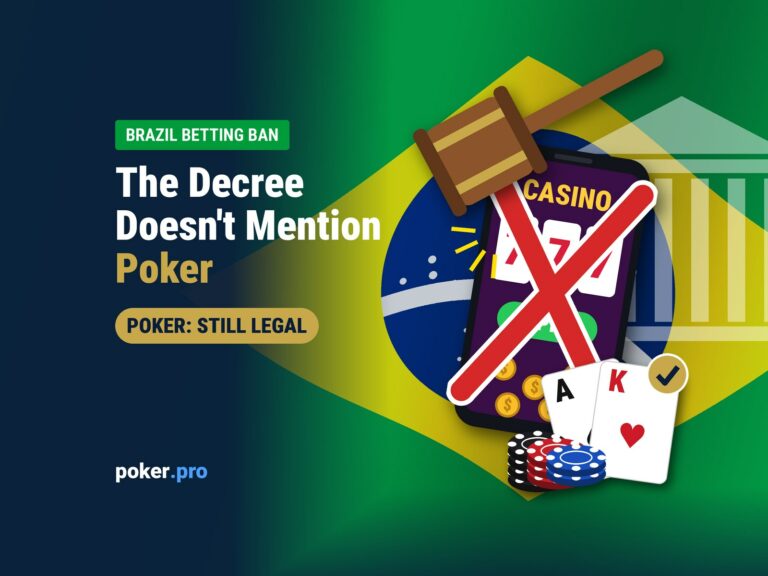
Brazil Banned Betting… Nobody Asked About Poker

Russell Westbrook’s Why Not? Foundation Holds Biggest Thanksgiving Yet After Record Poker Night
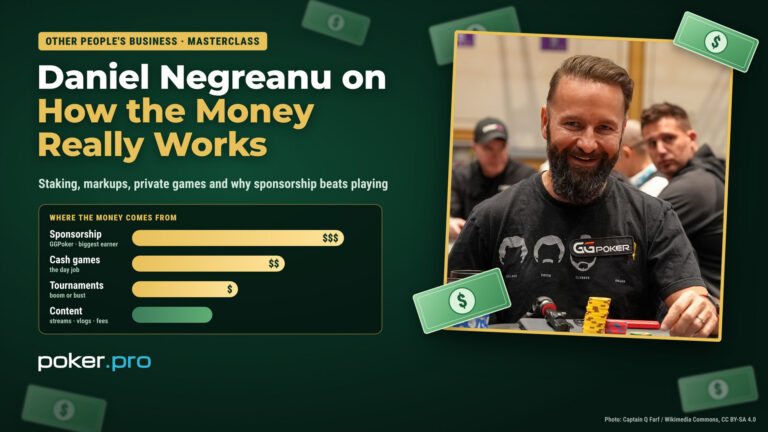
Daniel Negreanu Reveals How He Earns Money in Poker
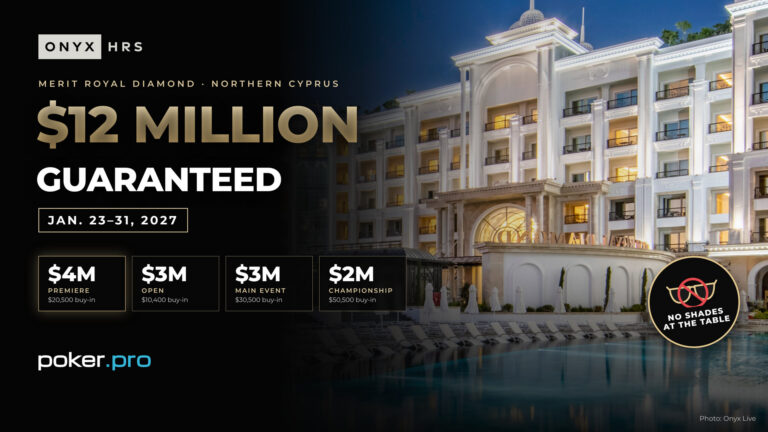
Onyx High Roller Series Returns to Cyprus With $12 Million Guaranteed in January
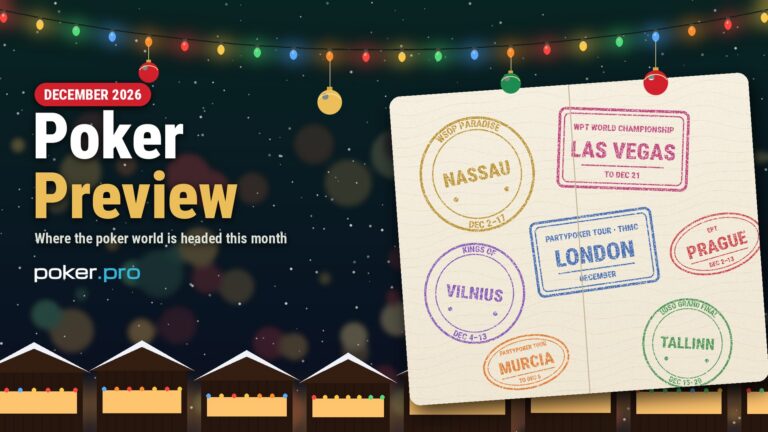
December 2026 Poker Preview From WSOP Paradise to PartyPoker Tour, THMC, and Kings of Vilnius
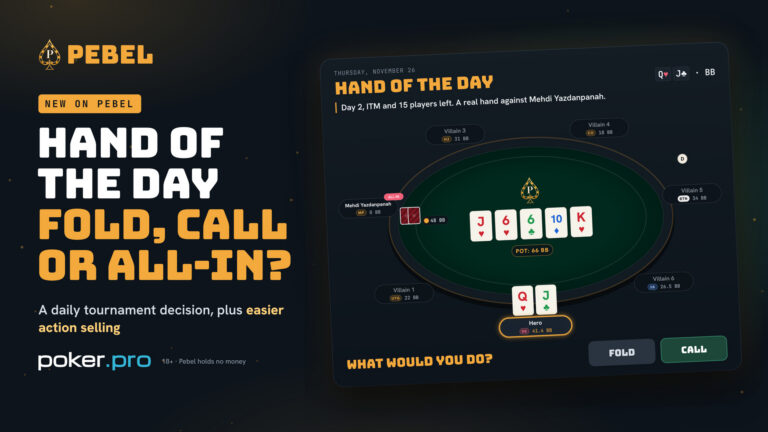
Pebel Steps Up Its Game with Hand of the Day and Easier Action Selling

Do Elite Athletes Make Better Poker Players? What Transfers and What Doesn’t

Emilien Pitavy Wins $1.5M at the GGMillion$ Festival Main Event