







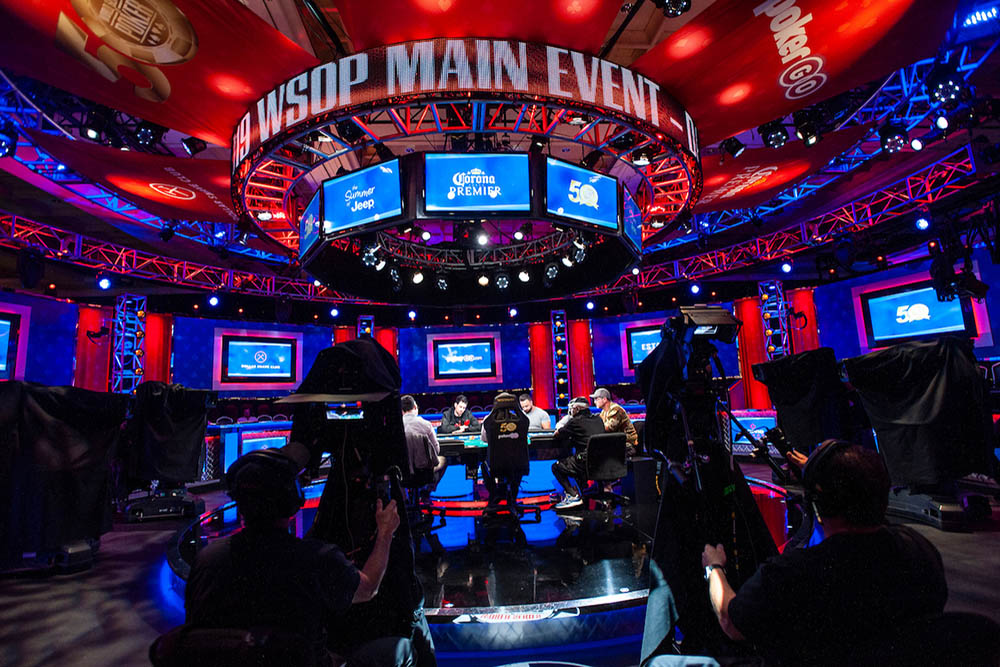
The history of poker media stretches from a one-hour CBS documentary in 1973 to a global, always-on ecosystem of live tournament reporting, streaming, podcasts, and social media that now serves tens of millions of readers and viewers across every continent. It is one of the more remarkable media stories in the history of sport, driven by a single technological problem: how do you report on a game where the most important information is invisible?
Poker has always had a storytelling problem. Unlike most sports, the decisive moment in any hand is invisible to everyone but the two players holding their cards. The tension is internal. The drama is hidden. For most of its history, poker resisted coverage for exactly this reason. The answer took decades to develop, passed through print, radio, television, the internet, streaming, and social media before arriving at what we have today. This is the full story of how poker media got there.

Before There Was Media: The Invisible Game (Pre-1970)
Poker existed for more than a century before anyone seriously tried to cover it. The reasons are obvious in retrospect. The game was played in private, in saloons, on riverboats, in backrooms, in military barracks, at kitchen tables. It had no fixed venue, no governing body, no official results. There was nothing to cover. The stories that circulated were oral: tales of legendary pots, spectacular bluffs, notorious cheaters, and characters so outsized they became folklore. Wild Bill Hickok, Nick “the Greek” Dandalos, Johnny Moss. Their reputations spread by word of mouth over years, not by news articles.
The first serious written poker literature was strategic rather than journalistic. Edmond Hoyle established the template in the eighteenth century, and by the early twentieth century there was a modest library of poker strategy books and gambling manuals. But journalism, the reporting of results, the profiling of players, the covering of events, simply did not exist. There was nothing organized enough to justify it.
That changed in 1970, when Benny Binion invited the best poker players in the country to his Horseshoe Casino in Las Vegas for what would become the World Series of Poker. It was a modest beginning: seven players, decided by vote, no prize money. But it created something that had never existed before in poker: a recurring, named, organized event with a defined champion. It gave the game a story worth telling.
The First Broadcasts: CBS and the Birth of Television Poker (1973–1988)
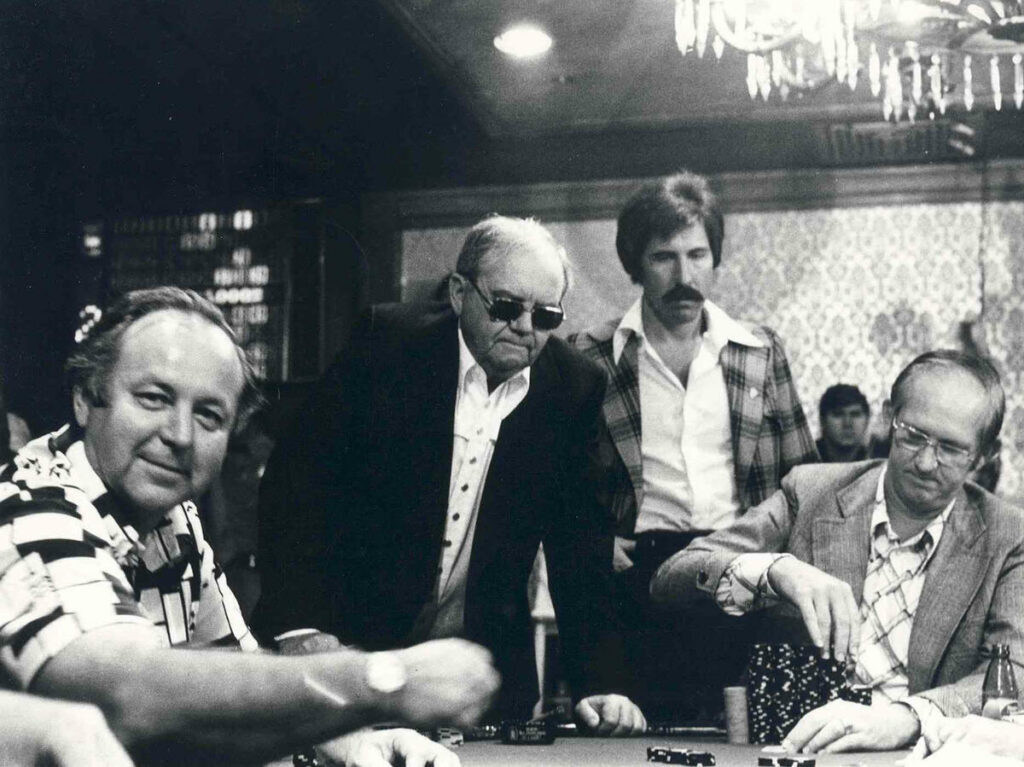
In 1973, CBS filmed a one-hour documentary on the WSOP, narrated by Jimmy “the Greek” Snyder. It was the first time millions of viewers got any glimpse of high-stakes poker, and the response was enough to convince CBS to make it a recurring event. For the next decade, the network aired annual one-hour specials on the WSOP Main Event final table, the first sustained television coverage poker had ever received.
The coverage was rudimentary by any modern standard. Cameras showed the action from above, players’ hole cards were never revealed, and viewers had to trust commentators to explain what was happening without being able to see the most important information. For casual viewers, it was often incomprehensible. For poker players, it was enough. The WSOP was on television, which meant it was real, which meant it mattered.
Midway through the 1980s, ESPN acquired the rights from CBS and began airing the coverage annually, often with Gabe Kaplan and Vince Van Patten providing commentary alongside analyst Jim Albrecht. The format remained largely unchanged: highlight packages of the final table, no hole cards, limited production value. The Discovery Channel briefly covered the event from 1999 to 2001 before ESPN reasserted dominance. None of it was great television. But it kept poker visible during a period when it had no other media presence worth speaking of.
The Print Era: Gambling Times, Card Player, and the First Journalists (1977–2002)
While television was producing an hour of poker coverage per year, print was building the first real poker media ecosystem. Stanley Sludikoff founded Gambling Times magazine in the late 1970s and dispatched serious writers to cover the WSOP, the Grand Prix of Poker, the Super Bowl of Poker, and other events with the ambition and craft that the subject deserved. Poker journalist and historian Nolan Dalla, who later became the WSOP’s Media Director, has described the character-driven storytelling of Gambling Times during this period as setting an early standard of excellence that has rarely been matched in terms of artistic style.
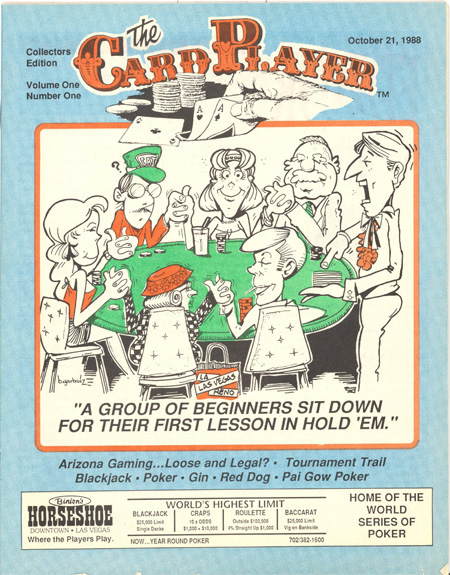
The publication that would define poker print journalism for the next three decades launched in October 1988. Card Player magazine was founded by WSOP bracelet winner June Field with a clear mission: a reliable source for poker news, results, strategy, and coverage that took the game seriously. Field wanted a media vehicle that served both readers and advertisers in equal measure, and Card Player delivered. It became the game’s bible, the record of what happened at the tables, the platform where players wrote about strategy, and the publication that the industry looked to for legitimacy.
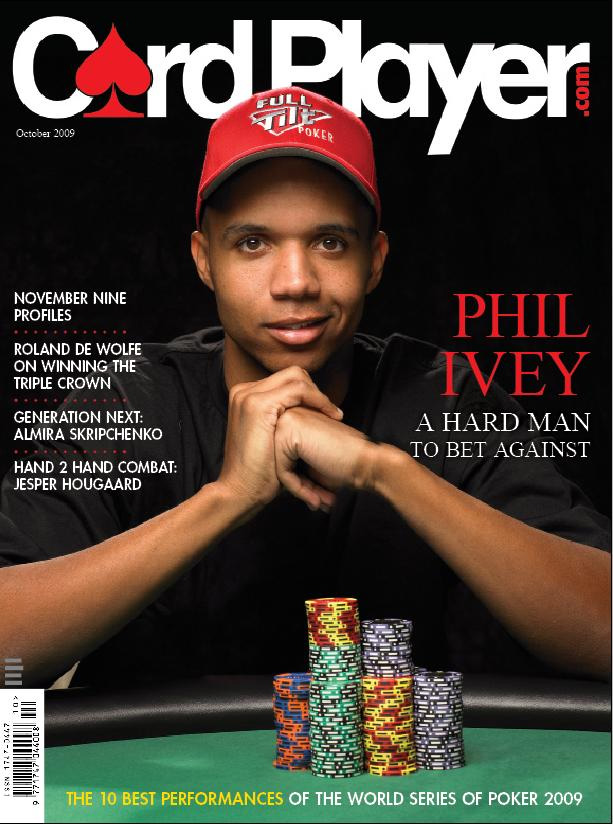

Card Player produced some of the finest poker writing of the era. Writers like Mike Paulle and Max Shapiro covered the WSOP with skill and affection for years. Nolan Dalla began writing a poker column for Card Player in 1994 after playing full time since 1993, and went on to create the publication’s Player of the Year tournament ranking system, one of the first serious attempts to quantify performance across the circuit. The magazine also served as the advertising platform for Planet Poker, the first real-money online poker site, when it launched in 1998, placing ads in its pages to build a customer base before the first real money hand was ever dealt.
The Two Plus Two Publishing company, founded by Mason Malmuth and built around the work of David Sklansky and others, created a parallel universe of strategic poker literature during this period. Books like The Theory of Poker and Hold’em Poker for Advanced Players became canonical texts. In 1998, Two Plus Two launched its online forums, which became the first major internet community for poker players, a place where strategy was debated, news was shared, and the game’s intellectual infrastructure was built in public.
Also critical to the pre-internet era was rec.gambling.poker, the Usenet newsgroup known universally as RGP, which predated the Two Plus Two forums. By the mid-1990s, RGP had a cult-like following of several hundred active posters and many more passive readers. It was poker’s bulletin board, its strategy forum, and its rumor mill, the first time the poker community had a shared digital space where news and discussion circulated in something approaching real time.


The Invention That Changed Everything: The Hole Card Camera (1995–1999)
In 1995, poker player and inventor Henry Orenstein patented a small camera designed to sit beneath the felt at a poker table and capture players’ concealed hole cards. The device was deceptively simple and revolutionary in its implications. For the first time, television coverage could show viewers not just the action but the information underlying it. Bluffs became legible. Folds became comprehensible. The drama that had always been invisible could now be shown.
Orenstein initially faced significant resistance from broadcasters who were skeptical of whether the technology would work in practice. The camera made its television debut not in the United States but in Britain, on Channel 4’s Late Night Poker series in 1999. Produced by Presentable Ltd and featuring many of the British regulars who would become known as the Hendon Mob, Joe Beevers, Barny Boatman, Ross Boatman, and Ram Vaswani, Late Night Poker was the first poker show built around the hole card camera. It broadcast into British living rooms at midnight and attracted a devoted following that had never seen anything like it. Viewers could watch players bluff for the first time. They could see hands running in real time with the information that made the decisions meaningful. The audience got it immediately.
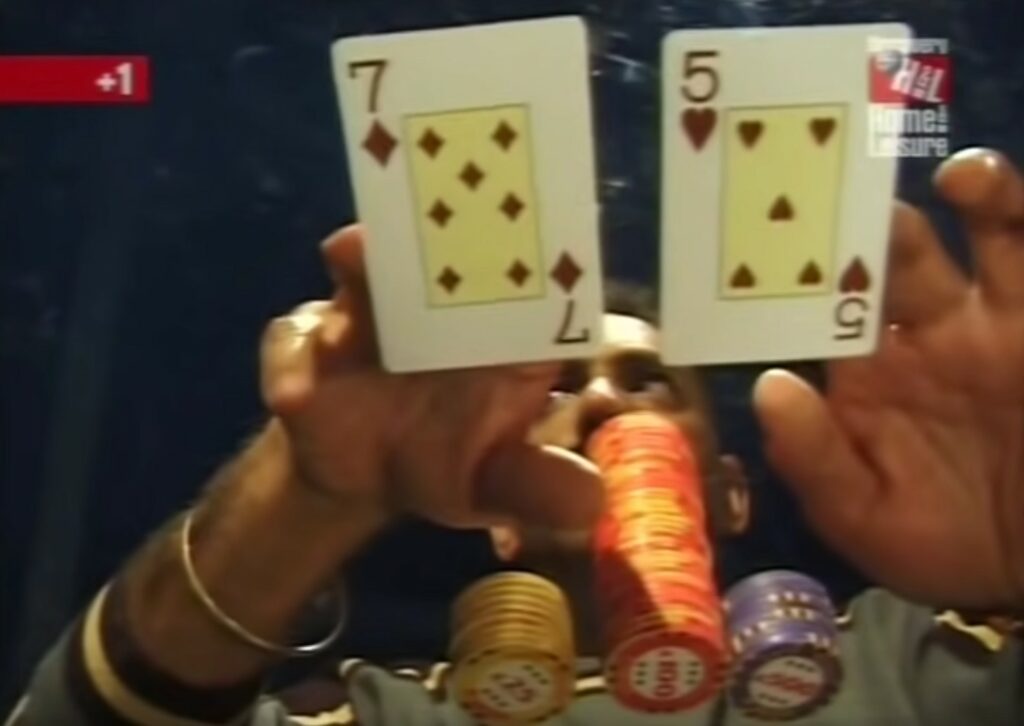
ESPN began using hole card technology in 2002, and the consequences were immediate and profound. Commentators could now discuss hands in full, explain the mathematics of decisions, identify tells, and describe the psychology of players based on information the audience shared. Lon McEachern and Norman Chad became the voices of the WSOP, their partnership beginning in 2003 and continuing for more than two decades. Chad’s self-deprecating wit and McEachern’s warmer approach proved an ideal combination for a game that balanced dry statistical thinking with outsized personalities and high-stakes emotion.
The Poker Boom and the Birth of Online Media (2003–2008)
On May 26, 2003, Chris Moneymaker, a 27-year-old accountant from Nashville, Tennessee, won the World Series of Poker Main Event for $2,500,000 after qualifying through an $86 satellite on PokerStars. The story was perfect: an amateur, a nobody, a man with a name that sounded like it belonged on a movie poster, had beaten 838 opponents in a 839-player field and walked away with the biggest prize in poker history. Nolan Dalla, then WSOP Media Director, was the first to call it “poker’s sonic boom” in an offhand comment to an Associated Press reporter. The line was picked up everywhere.
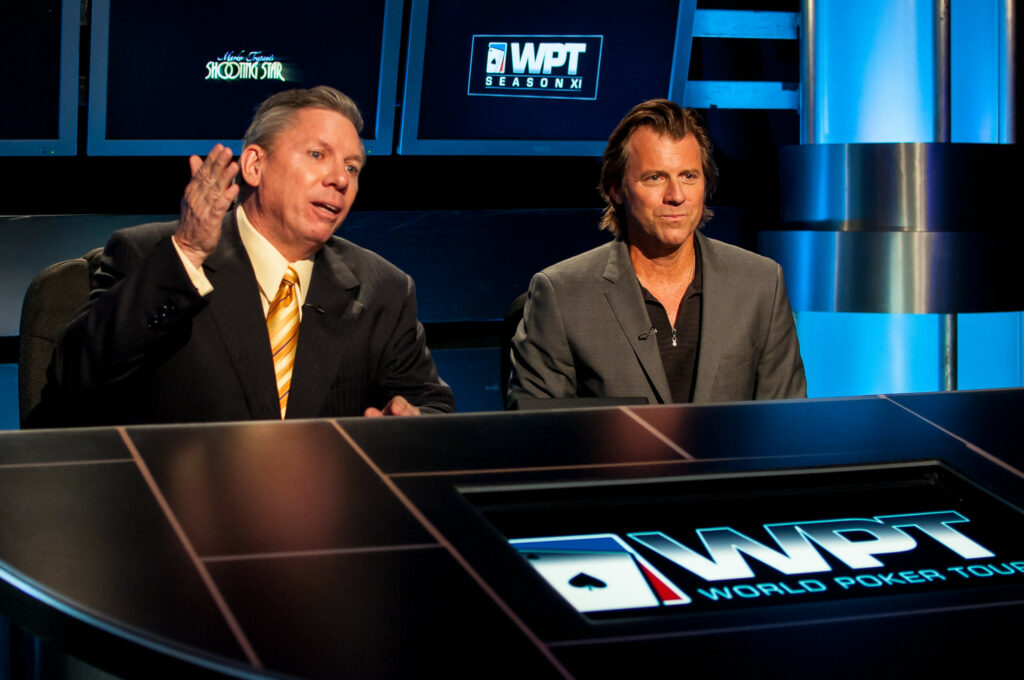
The Moneymaker Effect was real and immediate. Traffic at online poker sites exploded. PokerStars, which had given Moneymaker his satellite ticket, became the largest online poker room in the world virtually overnight. PartyPoker grew to 80,000 simultaneous players at peak. Television networks rushed to fill schedules with poker content because it was cheap to produce and drew solid ratings. The Travel Channel’s World Poker Tour, which had launched earlier in 2003 with hole card technology and a new presentation format featuring Mike Sexton and Vince Van Patten, drew record ratings. ESPN’s WSOP coverage that summer was broadcast during a Major League Baseball strike and found a massive unexpected audience. Bravo, GSN, Fox Sports, and dozens of other networks launched poker programming in the years that followed.
This explosion of television coverage created an urgent demand for online poker journalism. PokerNews, founded by Lithuanian poker player and politician Antanas “Tony G” Guoga in 2002, was perfectly positioned to meet it. The site pioneered live tournament reporting, hand-by-hand text updates from tournament floors that gave players and fans unable to attend a real-time window into major events. This format, now standard across the industry, was genuinely novel at the time. Before PokerNews, if you were not at the table, you did not know what was happening until a magazine published its next issue weeks later.
The Hendon Mob, launched by the four British players who had appeared on Late Night Poker, built the first comprehensive poker results database. The site tracked tournament results, prize money, and career earnings for players across every major event, creating a statistical record of the game that had never existed. The Hendon Mob database became the canonical reference for live poker results and remains so today.
Card Player adapted to the internet era by building out cardplayer.com as a companion to the magazine, adding online tournament reporting and news coverage. Bluff magazine launched in 2004 as a glossy competitor, bringing a different editorial sensibility and a celebrity-driven approach to poker coverage. All In magazine followed. The period from 2003 to 2008 saw more poker publications launch than in the entire previous history of the game combined.
The PokerStars blog, founded in 2005 by Brad Willis, became one of the most-read poker publications on the internet by virtue of its connection to the world’s largest poker site. Willis, a former television journalist, brought a narrative quality to tournament reporting that distinguished it from the more results-focused coverage of competitors. He ran the blog for almost 18 years before joining poker.org as editor-in-chief.


Black Friday and the Contraction (2011–2014)
On April 15, 2011, the United States Department of Justice indicted the founders of PokerStars, Full Tilt Poker, and Absolute Poker and seized the sites’ domains. Black Friday, as it became known, ended the American online poker boom almost instantly. Players were locked out of their accounts. The player pools that had sustained online poker at scale for nearly a decade dissolved. The knock-on effect on poker media was severe.
Television viewership for poker had already been declining since the peak years of 2005 and 2006 as the initial novelty wore off and the audience for satellite-era programming began to fragment. Black Friday accelerated the contraction. Bluff magazine closed. Several other publications folded or consolidated. The army of freelance reporters that had covered poker during the boom years thinned considerably. The industry entered a period of consolidation and caution that lasted several years.
Not everything contracted. PokerNews, now under iBus Media ownership with The Stars Group as majority shareholder, continued to grow internationally and cemented its position as the dominant live reporting platform. The European circuit, the European Poker Tour, the World Poker Tour’s European stops, and a growing range of regional festivals, provided a continuing supply of events to cover and an audience in markets unaffected by the US regulatory environment. The center of gravity for poker media shifted from Las Vegas and the American online market toward a more genuinely global operation.
The Streaming Revolution: Twitch, PokerGO, and the New Broadcast Era (2015–Present)
The next transformation in poker media came not from television but from the internet, and specifically from Twitch. Poker streamers discovered in 2014 and 2015 that the platform, built primarily for video game broadcasting, translated naturally to poker: a player could stream their online session live, commentate on their own decisions in real time, answer questions from viewers in the chat, and build a community of followers who returned session after session to watch the same person play. Jason Somerville, who had been grinding online poker for years, became one of the first major poker streamers and demonstrated that audiences would show up for a format that combined strategic education with entertainment and direct interaction.
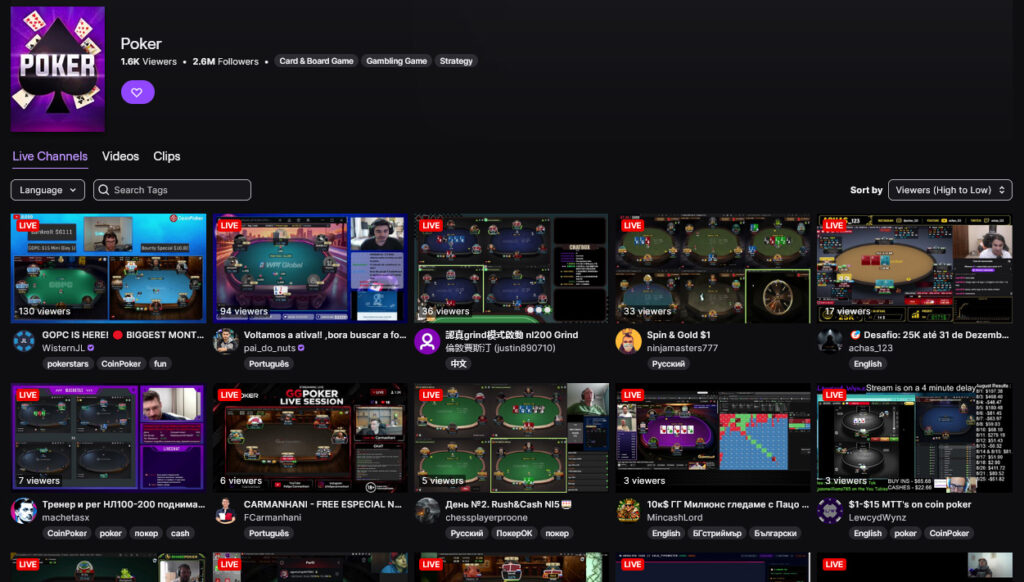
In 2016, PokerStars ran the first Twitch Celebrity Cash Game, bringing together established Twitch streamers and Las Vegas professionals for a live game broadcast on the platform. The event demonstrated that the audience built on Twitch was real and engaged, and that live poker translated to the format in ways that pre-recorded television never could. The relationship between streamer and viewer on Twitch was fundamentally different from the relationship between broadcaster and audience on ESPN: it was interactive, personal, and immediate. Viewers could ask the streamer why they made a particular decision and receive an answer within seconds.
In October 2015, Poker Central launched as a dedicated streaming and content platform for poker, founded by Cary Katz with backing from Daniel Negreanu, Phil Hellmuth, and Antonio Esfandiari among others. Its subscription service PokerGO launched to carry the WSOP when ESPN scaled back its coverage, and has since built a library of original programming including No Gamble No Future, High Stakes Poker, and a range of exclusive tournaments. The WSOP’s relationship with broadcast coverage shifted multiple times in the years that followed, moving from ESPN to CBS Sports Network to PokerGO, before returning to ESPN in 2026 under GGPoker’s ownership of the brand after its $500 million acquisition from Caesars Entertainment in 2024.
Joe Stapleton, who had been working as a commentator for the European Poker Tour since 2009 alongside James Hartigan, became one of the most distinctive voices in poker broadcasting during this period. His comedy background brought a lightness and wit to commentary that distinguished the EPT Live product from the more earnest American style. The Stapleton-Hartigan partnership became the model for a new kind of poker broadcasting: entertaining first, educational second, and always aware that the viewer’s attention was something to be earned rather than assumed. Stapleton left PokerStars after EPT Monte Carlo in April 2026 after 17 years to pursue personal interests.

The Digital Native Era: Podcasts, YouTube, and the Fragmentation of Audience (2016–Present)
Alongside the streaming revolution, poker media diversified across every major digital platform. Podcasts became a significant format for the industry, with shows covering strategy, player interviews, industry news, and culture. Run It Once Poker, founded by Phil Galfond in 2018, built a media operation around its training site that included high-quality video content and a streaming product with a different aesthetic from the established platforms. The upstream poker training industry, which had produced sites like DragTheBar, CardRunners, and Galfond’s own training site, evolved into a broader content ecosystem that blurred the line between education and entertainment.
YouTube became a significant archive and distribution channel for poker content, with highlights from live events, hand history reviews, and original programming accumulating audiences in the tens of millions of views. Poker strategy content on YouTube fragmented across hundreds of channels, from professional training to casual gameplay videos, making it the single largest free repository of poker education ever assembled.
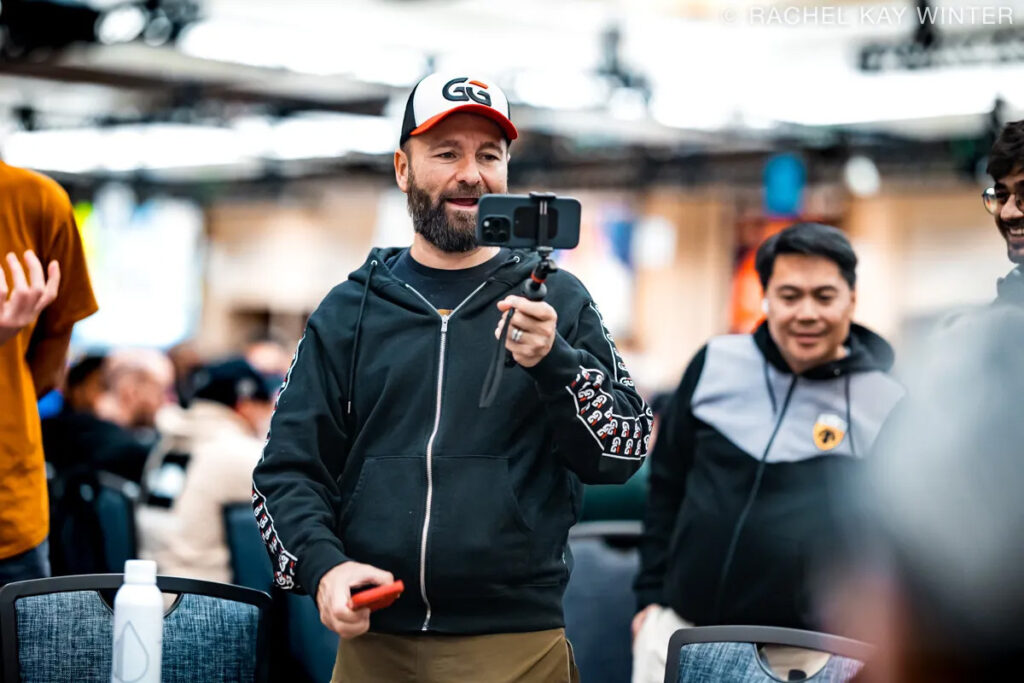
The social media era created a direct publishing channel for players that had never previously existed. Twitter and Instagram gave players the ability to communicate directly with fans, comment on industry events, and build personal brands without requiring the intermediation of a magazine or website. Daniel Negreanu’s long-running blog and social media presence, Phil Hellmuth’s Twitter activity, and the various feuds and controversies that played out across social media platforms became as much a part of poker media as the tournament coverage itself. The line between player and media personality blurred significantly during this period, with figures like Doug Polk building substantial media operations that operated independently of the traditional outlets.
Where Poker Media Stands Today
In 2026, poker media is more abundant, more global, and more fragmented than at any previous point in its history. PokerNews operates a live reporting infrastructure that covers hundreds of events per year across every continent, employing a team of reporters, editors, photographers, and translators working simultaneously in multiple time zones. Card Player, now in its fourth decade, continues to publish from Las Vegas. The Hendon Mob database contains results for millions of cashes across decades of live poker history. PokerGO streams thousands of hours of live and archived content annually. Dozens of regional outlets cover local circuits in languages from Portuguese to Russian to Mandarin.
poker.pro, launched in 2007 and a Global Poker Awards winner for best written content at the 6th Annual GPA in 2025, sits within this ecosystem as one of the leading English-language poker news and live reporting platforms serving the European and global poker community. From WSOP Circuit coverage across the Baltics to original features and player interviews, poker.pro is part of a generation of digital-native poker publications that have reshaped how the game is covered outside of Las Vegas.
The commentary booth has its own established history and hierarchy. Norman Chad and Lon McEachern, entering their 24th consecutive year calling the WSOP Main Event in 2026, are the longest-serving announcing partnership in any card game’s broadcasting history. The commentary tradition they represent, accessible, personality-driven, built around entertainment as much as analysis, now competes with a counter-tradition of deeply strategic commentary from players turned commentators, where the emphasis falls on explaining GTO concepts and solver outputs to an audience that plays at a level the early ESPN viewers never approached.

The challenge that poker media faces in 2026 is the same challenge it has always faced, expressed differently. The audience is splintered across more platforms than ever before, consuming content in shorter formats through social media, longer formats through streaming, and everything in between through podcasts and YouTube. The live tournament circuit that drives the most intensive media coverage continues to expand, with new stops appearing in markets that barely registered on the poker map twenty years ago. The stories are still there. The drama is still there. The question is always how to tell it, and every new technology changes the answer.
From Jimmy the Greek narrating a one-hour CBS special in 1973 to a global streaming operation covering tournaments in Tallinn, Nairobi, Bratislava, and Las Vegas simultaneously in 2026, that is the distance poker media has travelled. It is, by any measure, one of the more remarkable stories in the history of sports journalism.
- Article originally produced at poker.pro.
About the author

More Articles

Norway’s Online Poker Exile: World Champions, Blocked Platforms and What Changes if Norsk Tipping Gets Poker
Shareholders Say Yes: What Fertitta’s $17.6 Billion Caesars Deal Could Mean for Poker

Some States Banned It… Now It’s Sponsoring a $3 Million Tournament at Wynn
The Supreme Court Hearing That Could Reshape Online Poker in Canada on Oct. 7

Midnight Baseball: The Home Game That Belongs on a Festival Schedule
wizowizo at 34: The Full Story of Ole Schemion’s Poker Career on His Birthday
The Jared Griener Robbery: What Could Have Happened?
Pro Jared Griener Says He Was Hogtied and Robbed of His Entire WSOP Bankroll in Las Vegas